written by Senna Chenan
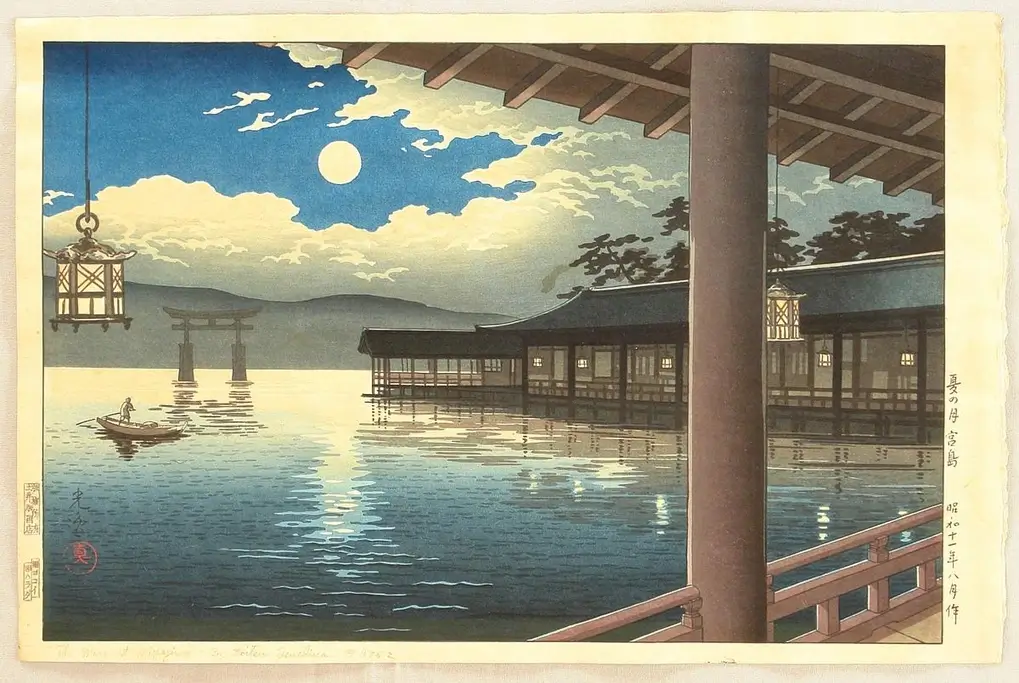
Tsukimi is a centuries-old Japanese tradition that originated from the ancient Chinese custom of observing the mid-autumn moon. It is believed to have started during the Heian period (around 794–1185) in Japan.
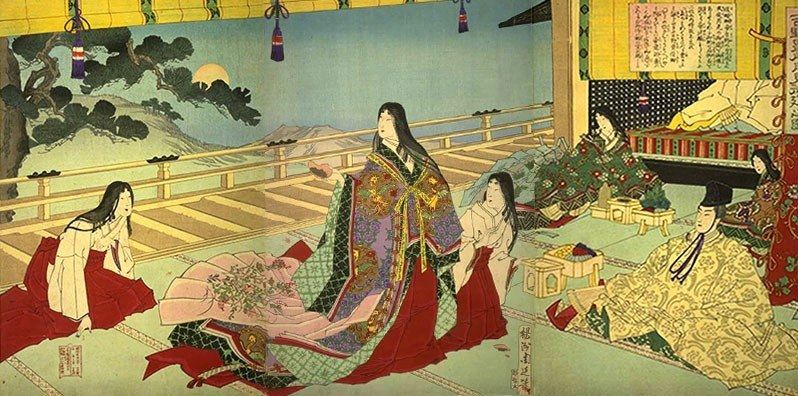
What began as a custom celebrated exclusively by nobles—aristocratic poetry (waka) and sake-drinking parties on boats—slowly transformed into a celebration for the common people during the Edo period (1603-1864).
This era brought peace, wealth, and rapid printing technology, allowing the general public to adopt the lifestyle of the upper class, who had already been celebrating the tradition for hundreds of years.
The moon rabbit legend
The moon rabbit legend is the story that has shaped the celebration that it is today. In 1700, common people could read more, and they started reading Chinese Buddhist stories; the moon rabbit was one of them.
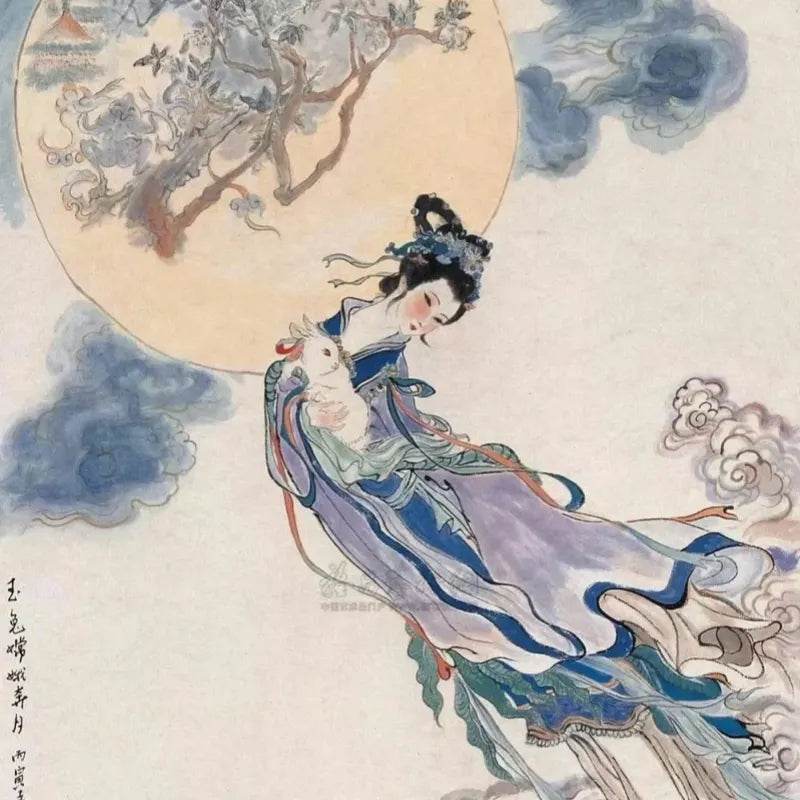
What is so interesting about this legend is that Japan, China, and South Korea all have their own versions, with the Japanese one being called Tsukino Usagi. It tells about a god (Sakra) who came from the moon to Earth disguised as a beggar. When different animals tried to help him with food, a monkey quickly went to grab fruit from the trees.
An otter collected fish, and the jackal caught the first thing he could find. But the rabbit couldn’t find anything. The rabbit could not climb any tree, catch any fish, or hunt any animal, and only ate grass themselves. The rabbit remembered that humans like to eat meat. He built a fire and jumped into it to feed the beggar.
He never got burned. The beggar revealed themselves as the god Sakra, who was moved by his sacrifice and drew him on the moon so everyone could remember his kindness. You can actually see a spot on the moon that could be interpreted as a rabbit.
Fun fact! The main character of Sailor Moon is called Tsukino Usagi, as the character is based on this legend.
The Chinese version and the Japanese version
The Chinese version of the story shows art in which the rabbit is seen grinding Chinese herbs. Something the Japanese could not relate to at the time. Because of this, they started changing the art of the rabbit to be more relatable.
The Japanese word for full moon is Mochizuki, which sounds exactly like the word mochitsuki, which was the word used for pounding rice cakes.
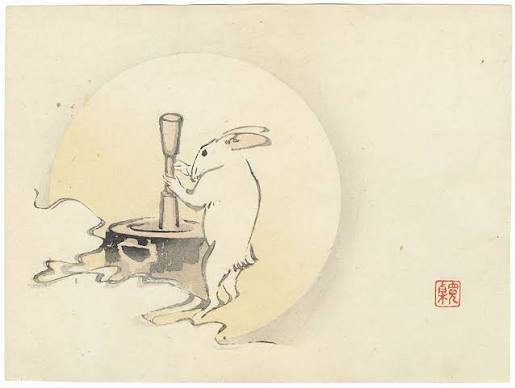
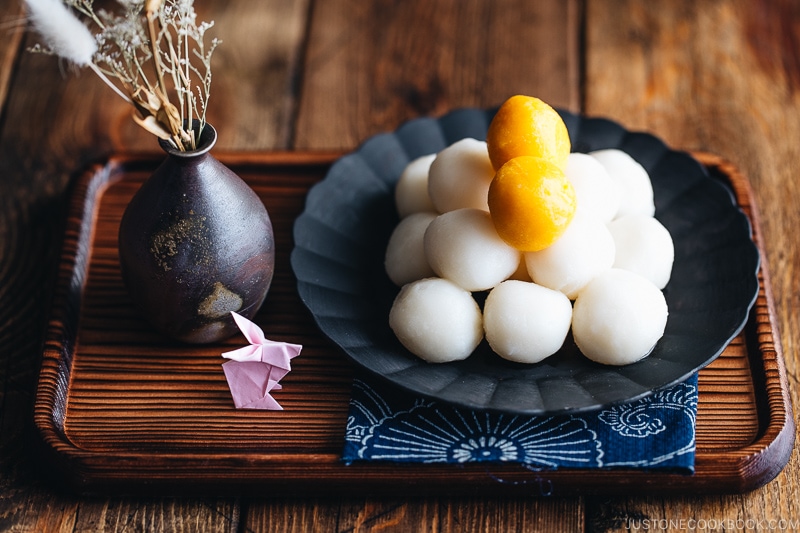
Because of this, the rabbit would start appearing more in art while making rice cakes. It was around the same time that dango was created; the balls are supposed to represent the moon
Nowadays
Many more foods have been added, especially since big food chains started to take interest in making a profit from it by bringing out special editions. Still, the baseline is that it has to look like the moon.

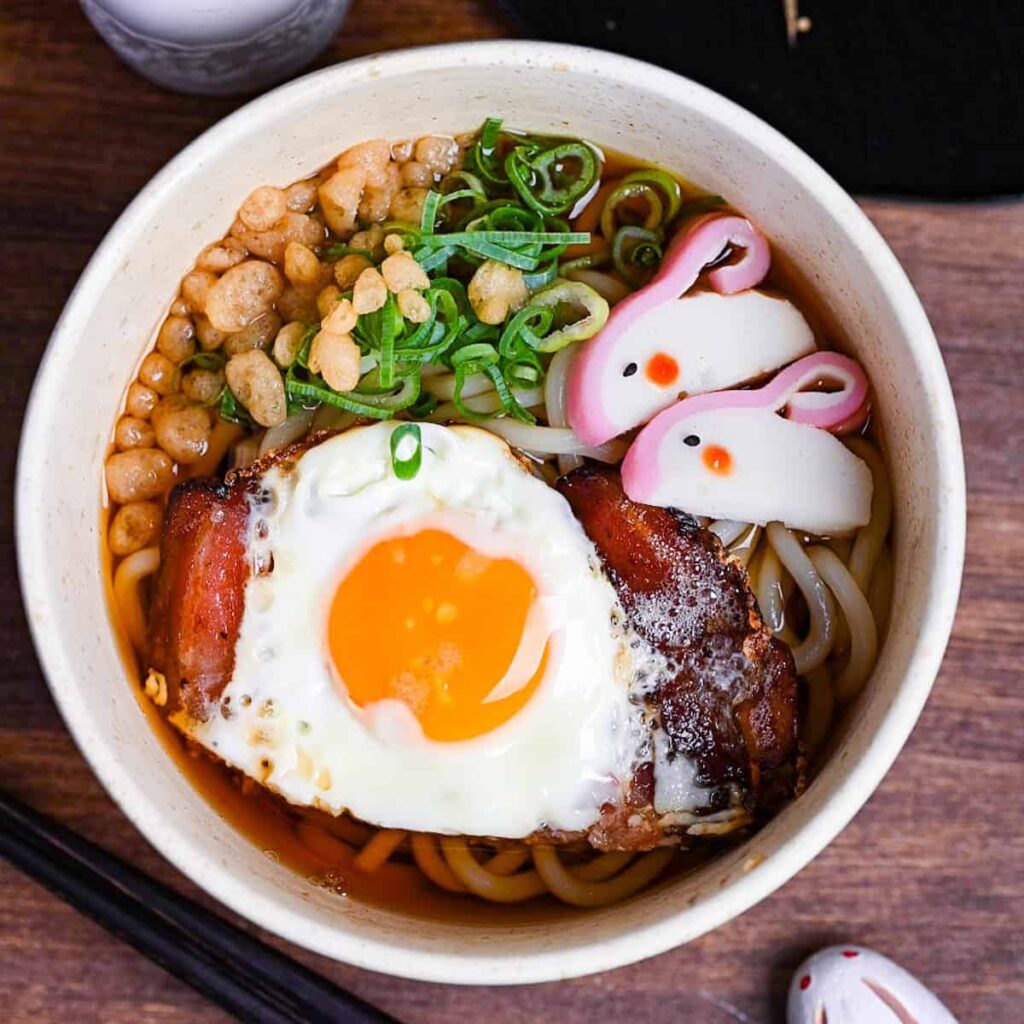
Big fast food chains will have burgers with an egg in them. Stores will also turn normal sweets and give them a bunny form.
You will find udon/soba noodles and rice bowls and other classic dishes with a raw egg on top, the egg yolk representing the moon. A lot of Japanese dishes with runny egg yolk are referred to as Tsukimi dishes throughout the entire year.
Something not related to the story
Long before the story showed up in the celebration, the moon was already celebrated; it focused on the autumn harvest. Foods like chestnuts, kabocha, edamame, and satsumaimo were used as offerings and eaten afterwards. These are still foods that are being eaten each year during Tsukimi
The Tsukimi days
Moon viewing
Back to the start, as I said in the beginning, the celebration of moon viewing has been there for over a century; it is clear that a lot of its traditions are deeply rooted in Japanese culture. Tsukimi is separated into two days: the first day is called Jūgoya, and the second one Jūsan’ya.
The old lunar calendar
The old calendar Kyūreki is used to determine the exact dates each year, since the Kyūreki calendar is based on a moon cycle, which would be a year with a 354-day cycle instead of a 365-day one.
This was used in Japan till 1873. The first celebration day, Jūgoya, is held on the 15th night of the 8th month of the Kyūreki calendar. Jūsan’ya, the second day, is on the 13th day of the 9th lunar month, which is usually in October. The dates for 2026 are September 25th for Jūgoya and October 23rd for Jūsan’ya.
What can you do on Tsukimi?
Yamadaike Park
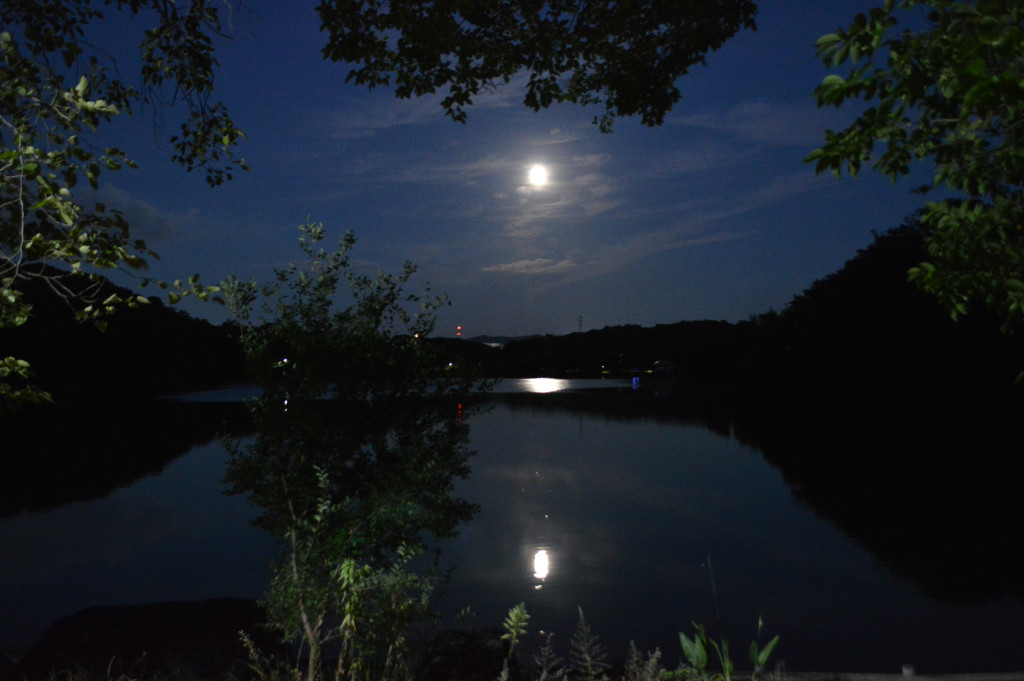
This park is known to be a perfect spot to watch the beautiful moon; it has a beautiful big pond where the moon is perfectly noticeable. I have been there myself and definitely plan on going there for Tsukimi for a peaceful and appreciative time.
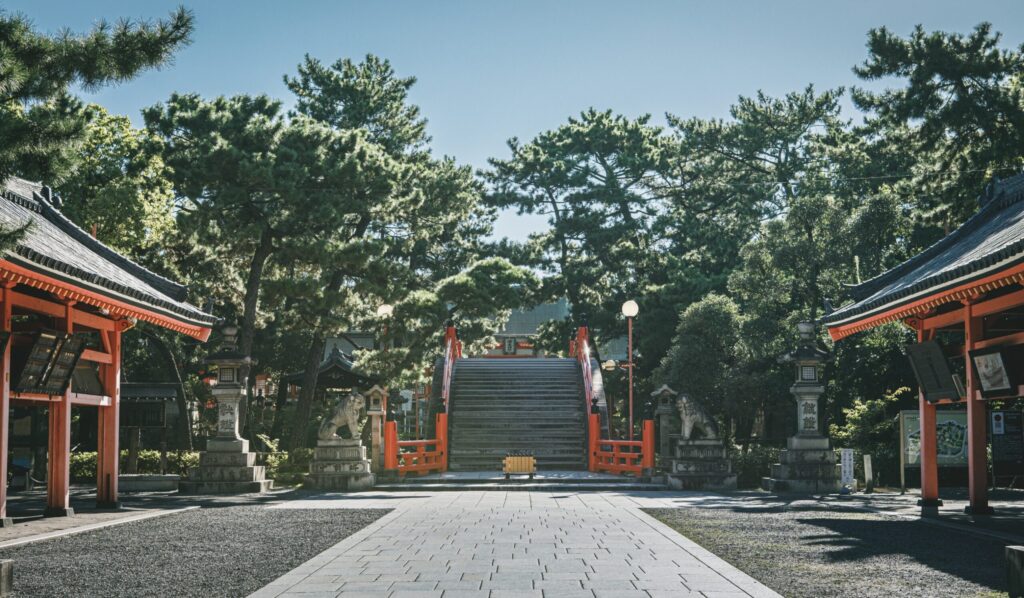
Sumiyoshi Taisha
One of Japan’s oldest shrines. Much more than just a simple shrine, there is much to see there, as they celebrate Japanese poetic forms called Tanka and Haiku. Both short and strong forms of poems and poetry, combined with traditional dancing performances.
Ishiyamadera Temple
If you want to go somewhere to have the most rural experience, one that none of your friends who visited Japan have had? I strongly recommend going to this temple.
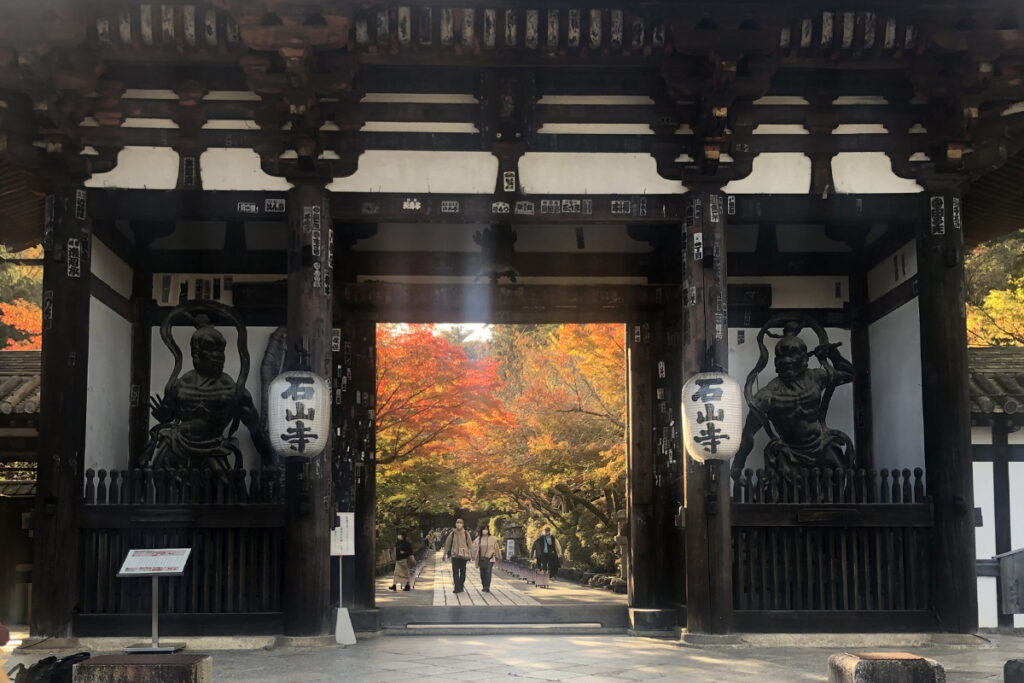
A place very spiritually focused all year round; you can even find a worship guide. There will be thousands of bamboo lanterns that night, and the moon will be more than just spottable.
The Ishiyamadera Temple is considered to be one of the top 3 most famous moon viewing locations because of its legendary connection with the moon. It is said that The tale of Genji was created here by Murasaki Shikibu admiring the moon’s reflection in the Seta River. The Tale of Genji has had a significant impact on Japan still today, so I recommend looking into it if you are interested in Japanese culture and history.
Anywhere
At the end of the day (or night) you can celebrate it anywhere with anyone. The main point is to appreciate the moon, add some dango and look at it somewhere with a good view point. I hope you can have a meaningful time!
FAQs: Tsukimi moon viewing traditions
Unlike Tanabata, the celebrations won’t be canceled because of weather for the places that organize events.
If you go to a temple that is holding an event always make sure to check out their official website to know if a ticket or reservation is needed because it most likely will be. Parks are always free to attend
It often starts appearing on the menus at the end of July till the night Jūgoya night itself.
Anywhere! Supermarkets, convenience stores.
The dates for 2026 are September 25th for Jūgoya and October 23rd for Jūsan’ya.