Hirakata is a great place to experience Japanese summer festivals. The city has several events in July that showcase traditional celebrations, music, food, and fireworks.
Tanabata Music Festival – July
The Hirakata Tanabata Music Festival (ひら☆かたの七夕音楽祭). Tanabata, also known as the Star Festival, is held every year around July 7th. It is one of the most memorable summer events in the Hirakata and Katano area. The festival celebrates Tanabata, the Japanese Star Festival. It combines traditional customs, local culture, food stalls, and the atmosphere of a Japanese summer night.
Tanabata is based on the famous story of Orihime and Hikoboshi, two celestial lovers who are separated by the Milky Way and allowed to meet only once a year. During Tanabata, people write their wishes on colourful strips of paper called tanzaku and hang them on bamboo branches, hoping their dreams will come true.
At Hatamono Shrine, this tradition creates a special atmosphere. The shrine grounds become decorated with bamboo covered in wishes, colourful ornaments, and lights. Visitors walk through the area looking at the decorations and adding their own wishes to the festival. The event feels welcoming and local, giving visitors a chance to experience a traditional celebration outside of the larger tourist crowds.
The Hatamono Shrine Tanabata Festival is also connected to the wider Tanabata traditions of the Hirakata and Katano region. The area has strong connections to the legends surrounding the stars, making the festival feel like more than just a seasonal event. It is a celebration of stories, wishes, and local identity.
For visitors, the festival offers a chance to experience a quieter side of Japan. Instead of focusing only on large performances or fireworks, the event is about enjoying small moments: writing a wish, eating festival food, walking under lanterns, and spending time with others. A visit during Tanabata is a chance to experience Hirakata’s culture and see how old traditions continue to be part of modern life.
Suito Kurawanka Fireworks Festival – September
The Suito Kurawanka Fireworks Festival (水都くらわんか花火大会) is one of the most exciting summer events in the Hirakata area. Usually held in September, the upcoming 2026 festival will take place on Sunday, September 20, 2026. The event runs from 3:00 PM until 8:00 PM, with the main fireworks display beginning at around 7:10 PM, alongside a drone show. It is held along the Yodo River The festival creates a memorable evening of fireworks, entertainment, and traditional Japanese summer atmosphere.
The festival is known for its large fireworks display and riverside location. As night arrives, visitors gather along the riverbanks to find a good viewing spot and prepare for the show. The open space near the river creates a perfect view of the sky, where the fireworks can be seen stretching across the area.
Japanese summer fireworks festivals, known as hanabi festivals, are an important part of summer culture. They are not only about watching fireworks but also about spending time with others. Families, couples, and groups of friends often arrive early, enjoy festival food, and wait together for the first fireworks to appear.
The atmosphere before the show is part of the experience. The area fills with the sounds of conversation, music, and festival announcements. Food stalls offer popular summer festival dishes such as takoyaki, yakisoba, grilled foods, and shaved ice. Visitors can often be seen walking around the festival wearing the traditional Japanese summer clothing known as yukata.
When the fireworks begin, the mood changes completely. The dark sky above the Yodo River fills with bright colours and large displays. Each explosion lights up the river and surrounding area, creating reflections on the water and giving the festival its unforgettable summer feeling. One of the best parts of the event is the view. Unlike fireworks in crowded city centers, the riverside location allows visitors to enjoy the display with a wide view of the sky. The combination of open space, fireworks, and the summer night air makes the experience memorable.
The festival also attracts visitors who want to experience a more local side of Osaka. While major festivals in central Osaka can become extremely crowded, the Suito Kurawanka Fireworks Festival offers a chance to enjoy a large fireworks event while still experiencing the friendly atmosphere of the Hirakata area. For many visitors, the festival becomes a highlight of the summer season. Watching fireworks is a simple activity, but the setting, the food, the people, and the excitement make it special. It is a chance to slow down, enjoy the evening, and take part in a tradition that has been part of Japanese summers for generations.
Summer Festivals Just Outside Hirakata
Hirakata is a great base for experiencing Japanese summer festivals, with several celebrations taking place just a short journey away. The surrounding Osaka area offers a variety of festivals featuring traditional customs, live music, local food, and fireworks.
Tenjin Matsuri – July
The Tenjin Matsuri (天神祭) is one of the most famous summer festivals in Japan. Held every year in Osaka during July, the festival is a major celebration of tradition, history, and local culture. Known as one of Japan’s three great festivals, alongside Gion Matsuri in Kyoto and Kanda Matsuri in Tokyo, Tenjin Matsuri attracts thousands of visitors who come to experience its unique combination of rituals, performances, boats, and fireworks.
The festival is connected to Osaka Tenmangu Shrine, where the event begins. The festival honors Sugawara no Michizane, a historical figure who is respected as a deity of learning and scholarship. The celebrations have continued for centuries, making Tenjin Matsuri an important part of Osaka’s cultural identity.
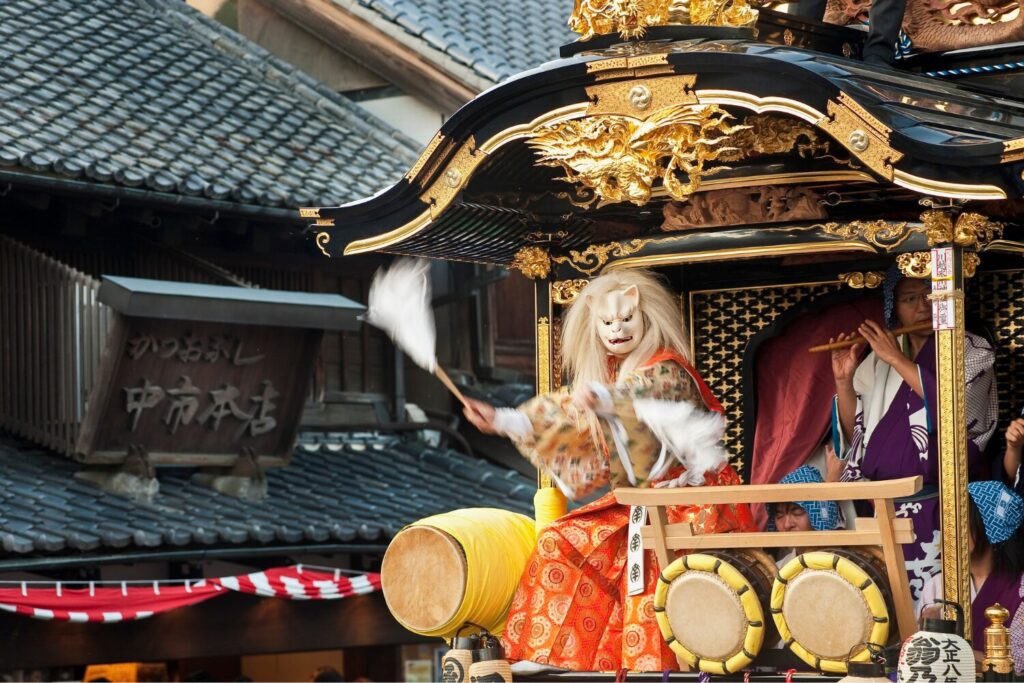
One of the main highlights of the festival is the land procession (Rikutogyo). During this part of the event, participants walk through the streets wearing traditional clothing and carrying sacred objects. The procession includes musicians, dancers, and performers, creating a colorful display of Japanese history and tradition.
The streets become filled with energy as the procession moves through Osaka. Visitors can see traditional costumes, hear festival music, and watch performers take part in ceremonies that have been passed down through generations.
Another major feature of the Tenjin Matsuri is the boat procession (Funatogyo). In the evening, the celebration moves onto the Okawa River, where decorated boats travel through the water. The sight of lanterns reflecting on the river creates one of the most memorable scenes of the festival.
The boats carry participants, musicians, and religious figures as part of the traditional ceremony. The river becomes the center of the festival, with boats moving alongside each other while music and celebrations continue. This combination of water, lights, and tradition is what makes Tenjin Matsuri different from many other Japanese festivals.
Food is also an important part of the festival experience. Like many summer festivals in Japan, Tenjin Matsuri has many food stalls selling popular festival dishes. Visitors can enjoy takoyaki, yakisoba, grilled foods, sweets, and drinks while exploring the busy streets around the event.
The festival reaches its most exciting moment at night with the fireworks display. Fireworks light up the sky above the river, creating a dramatic ending to the celebrations. The reflection of fireworks on the water, combined with the lanterns on the boats, creates a scene that represents the beauty of Japanese summer festivals.
The atmosphere of Tenjin Matsuri is lively and unforgettable. People gather with friends and family, many wearing yukata, traditional summer clothing. The sounds of music, crowds, fireworks, and festival announcements fill the evening.
For visitors, the festival offers a chance to experience Osaka’s personality. While many Japanese festivals focus on quiet traditions or historical ceremonies, Tenjin Matsuri combines tradition with the energy of a modern city. It shows how old customs can continue while becoming part of everyday life.
Overall, the Tenjin Matsuri is a celebration of history, community, and summer. Held every July around Osaka Tenmangu Shrine and the Okawa River, it brings together traditional processions, river celebrations, food, and fireworks. Experiencing Tenjin Matsuri is a chance to see one of Japan’s most famous festivals and understand why it remains an important part of Osaka’s culture.
Nara Tokae Lantern Festival – August
Nara Tokae (奈良燈火会) is one of the most beautiful summer events in Nara. Held every August, from the 5th until the 14th, the festival transforms the city into a peaceful landscape of thousands of glowing lanterns. The event is known for its quiet atmosphere, traditional setting, and the way it combines Nara’s history with the feeling of a Japanese summer evening.
The name “Tokae” refers to the lighting of lanterns. During the festival, lanterns are placed throughout Nara Park and around famous locations in the city. As the sun sets, the lights slowly begin to shine, creating a warm and peaceful atmosphere.
One of the main areas of the festival is Nara Park. The park is already famous for its historic scenery and friendly deer, but during Tokae it becomes completely different. The paths are lined with lanterns, and visitors can walk through the park surrounded by soft lights. The deer moving through the illuminated landscape create a scene that feels unique to Nara.
The festival also connects to some of Nara’s most important cultural sites. Areas near Tōdai-ji Temple, Kasugataisha Shrine, and other historic locations are decorated with lanterns and lights. These locations show the history of Nara while also creating a special summer experience.
One of the highlights of Kasugataisha Shrine is the traditional lantern atmosphere. The shrine is known for its thousands of stone and bronze lanterns, and during special events, the connection between the old lanterns and the new festival lights becomes especially noticeable. Visitors can experience a mix of history, religion, and seasonal celebration.
Another special part of Nara Tokae is that visitors can participate by lighting lanterns themselves. This allows people to become part of the event rather than only watching. Many people write wishes or messages and place lanterns along the paths, adding their own small light to the festival.
The festival is especially popular with people looking for a different kind of summer event. While many Japanese festivals focus on crowds, music, and fireworks, Tokae offers a slower experience. It allows visitors to enjoy the beauty of Nara at night and see the city’s famous landmarks in a new way.
FAQs about Summer Festivals in Hirakata
Most local festivals, including events such as the Hirakata Festival and Tanabata celebrations, are free to enter. Some special viewing areas, reserved seats, or paid experiences at larger fireworks events may require tickets.
Yes. Most festivals are easy to enjoy without speaking Japanese. You can experience the atmosphere, food stalls, decorations, performances, and fireworks without needing to understand everything. Having translation apps or basic Japanese phrases can still be helpful.
Yes. These festivals are designed for all ages. Families often attend together, and many events include games, performances, food stalls, and activities for children.
Popular festivals can become very crowded, especially fireworks events. Smaller local festivals often feel more relaxed and are a good option if you want a quieter experience.
Yes, photography is generally welcome. However, it is best to be respectful, especially around shrines and ceremonies, and avoid blocking pathways or performances.