written by Senna Chenan
When you come to Japan, you most likely will visit Shrines. Shrines are a big part of history and spiritual beliefs that shape Japan as it is from the past until now. In this blog, I will tell you everything you need to know about Shrines.
History, what purpose shrines serve, the beliefs that come with them, and how Japan has mended its beliefs as no country has, the best shrines in and around Hirakata. And of course, tips on how to properly act while visiting one.
Shintoism
Before I can explain what Shrines are, it is important to understand why they are there in the first place.
Shinto is an Indigenous spirituality; this means it is based on localized belief systems of Japan. Something that makes Japan so special is that this specific form is practiced almost exclusively in Japan.
This has in the past spread through various other countries mostly because of colonialism, these shrines were destroyed after the Japanese left. The only country I could find that still seems to be actively practicing Shinto is Hawaii.
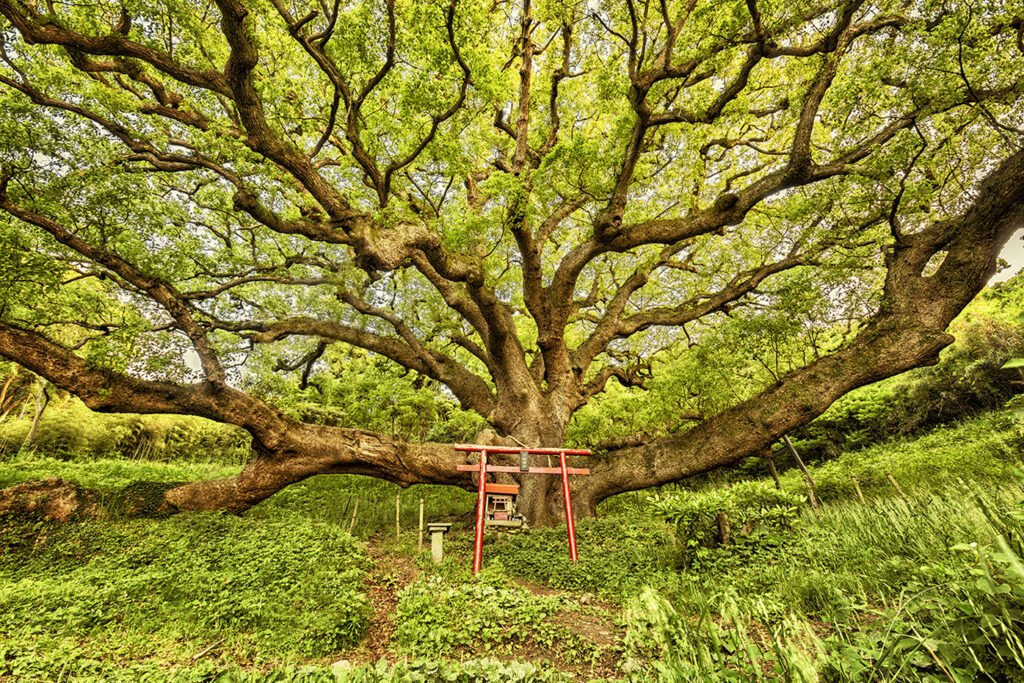
Shinto emphasizes animism; this is the belief that everything has a spirit: humans, animals, but also trees and even rocks.
Humanity’s role within this belief is to be a custodian rather than being the owner of the Earth; humans co-exist with nature. Japanese describe it more like kami dwelling in nature or natural objects.
Buddhism together with Shintoism
In Japan, Shinto and Buddhism are deeply intertwined, operating as complementary belief systems rather than mutually exclusive faiths.
It all started with Shinto, and later, through the Korean Peninsula and China, Buddhism was introduced.
Most Japanese people practice elements of both—often celebrating joyous life events like births by visiting Shinto shrines to pray for good health, while utilizing Buddhist temples for funerals and ancestral memorial services.
So don’t mistake a Buddhist temple for a shrine! How to recognize the differences so you won’t make a mistake?
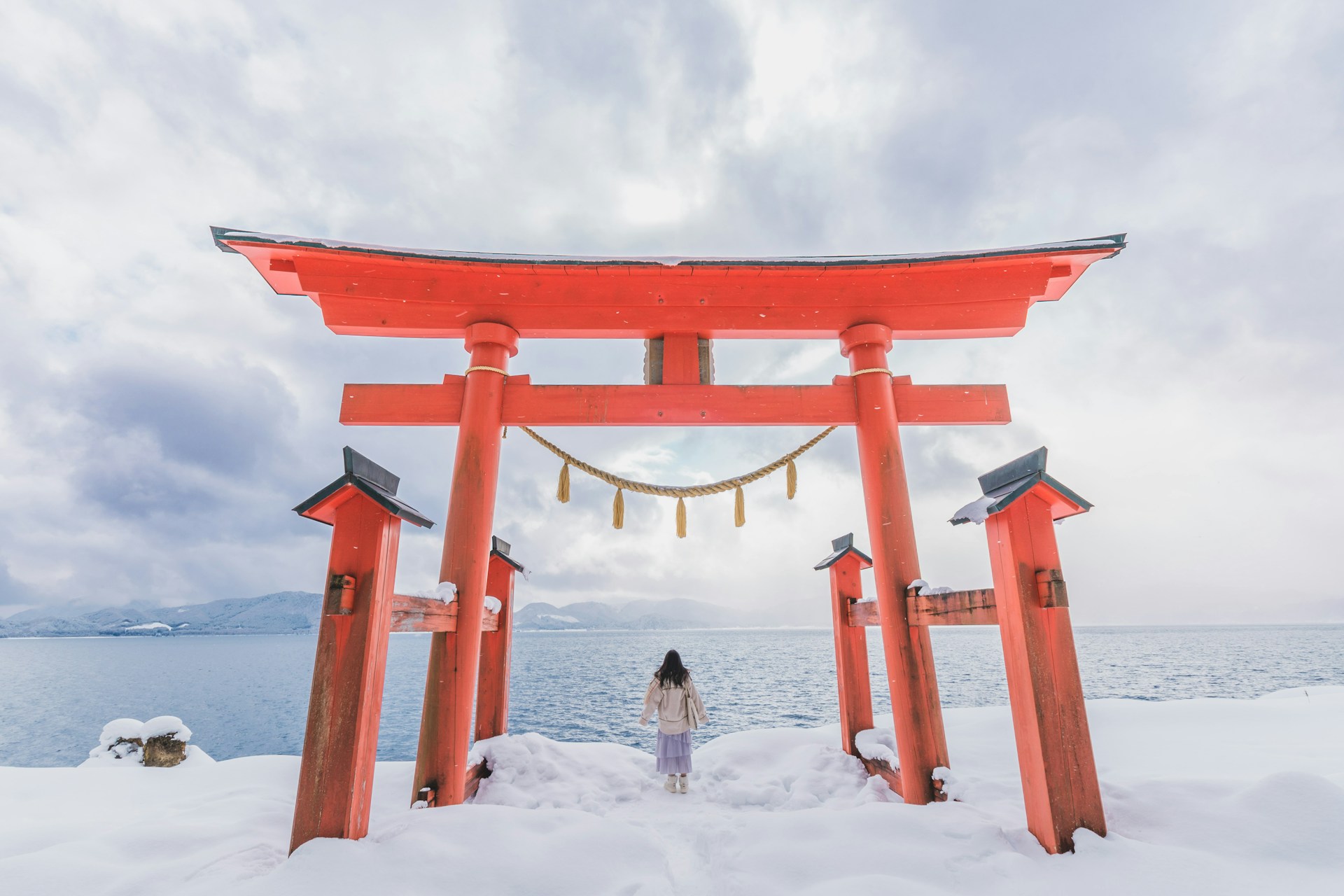
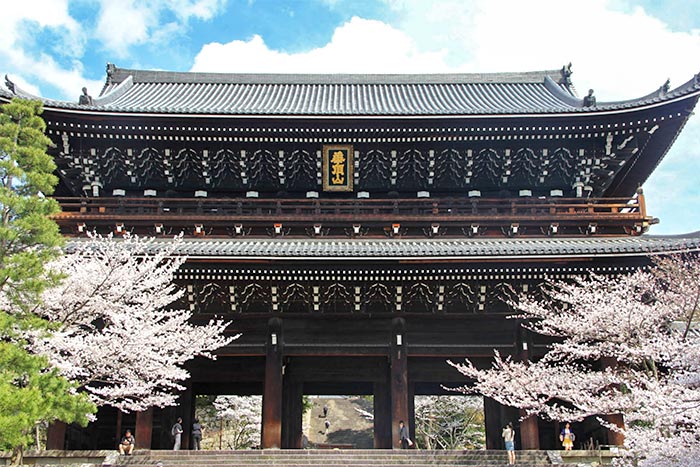
Different gates, while shrines have torii gates recognizable with their red color and two big pillars. Buddhist temples have a huge wooden entrance. The differences are pretty big in size too.
The way of praying is also very different,
With Shinto shrines, make sure to bow two times, clap two times, do your wish/pray, and bow one more time.
In Buddhist temples, you bow gently, bring your hands together in front of your chest, and say your prayer in silence. Silence is very important! Be as quiet as possible.
Kami and Shrines
Anything can become a Kami in Shinto belief. Shinto is an animistic religion, meaning it recognizes divine spirits in all things, including nature, physical objects, humans, and animals. A shrine honors a certain Kami.
Kami, or spirits, don’t necessarily have to be ‘’good’’. Sometimes shrines are built to keep spirits under control; every Kami has their own story.
A story can have a tragic ending; in this case, the kami would come back with bad intentions, a shrine would be built to recognize their power and to calm their ‘’soul’’.
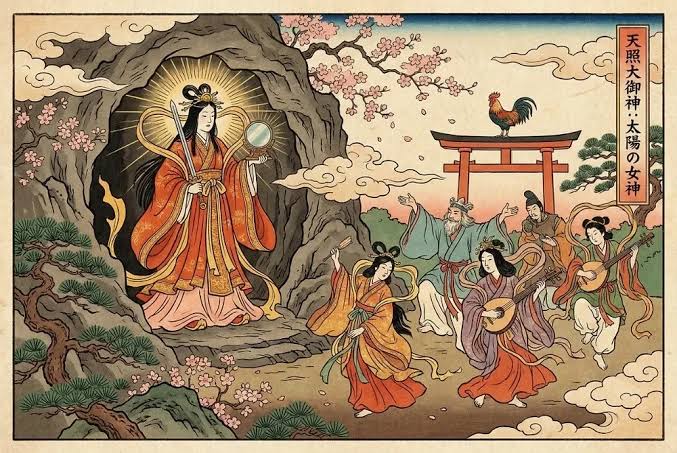
Maybe the most well-known Kami would be Amaterasu: The Japanese Sun Goddess.
Not every Kami has always been a Kami. Tenjin Sugawara no Michizane was a scholar and politician who had been wronged.
Long story short, it is said he came back after his tragic death as a spirit; he became kami after they built a shrine to honor him in hopes of calming his spirit. Now people still visit his shrine for good luck on their exams each year.
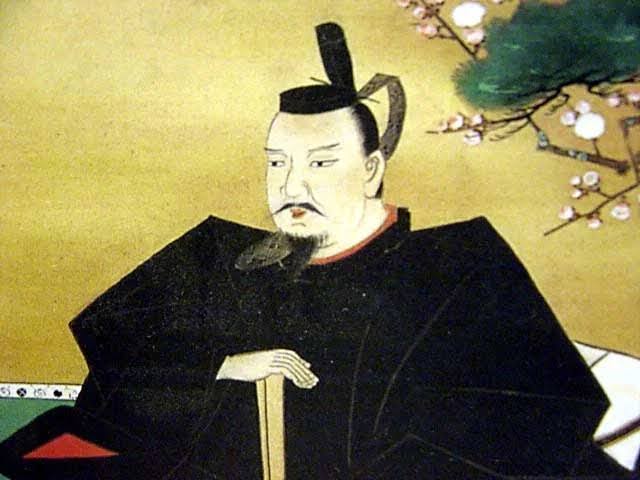
Kami often have messengers who travel between worlds to deliver instructions or predictions; these messengers are called shinshi. They often take the form of animals
Fun fact: There is a Shrine in Hawaii which has George Washington and Abraham Lincoln as Kami.
Kami and their shrines in Hirakata
Primary Kami (deities) enshrined across Hirakata protect the local land, govern the vital waters of the Yodo River, and grant academic success.
- The Okami Shrine with the Dragon God of Water and Rain Kami. Historically worshipped by sailors, travelers, and river workers.
- Katano Tenjin-sha Shrine. From the story mentioned earlier, the Kami of Education and Learning: Tenjin.
- Emperor Suinin, Katano Shrine
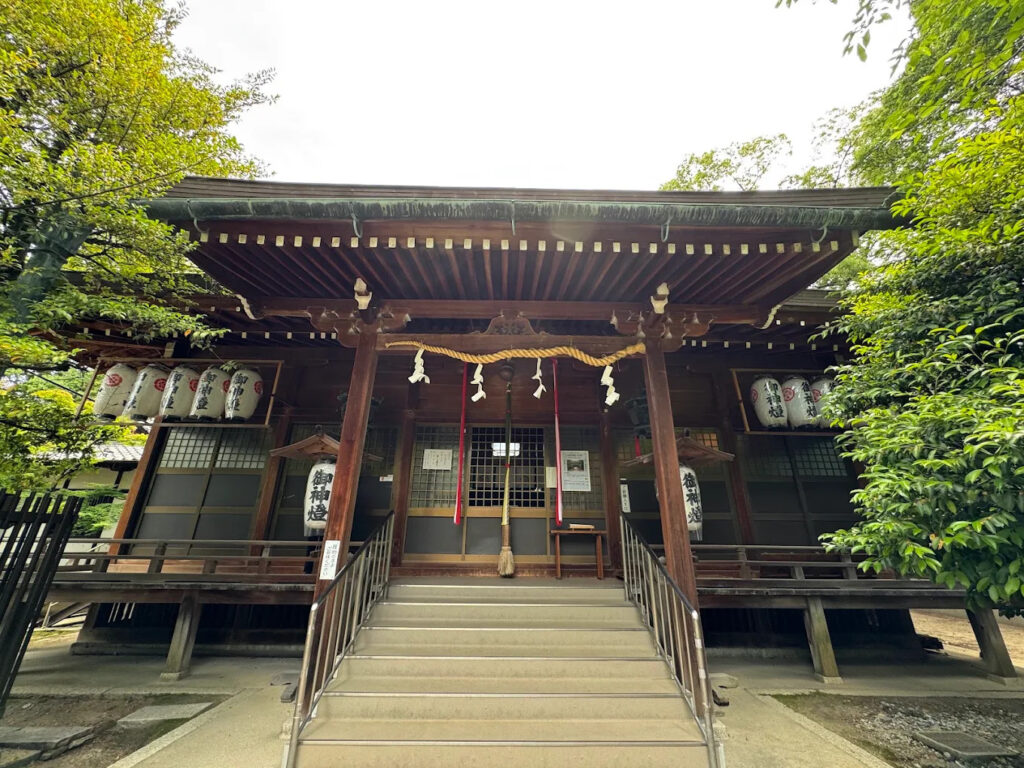
Emperor Suinin was the 11th Emperor of Japan. People go to his Shrine to pray against misfortune and for a long, healthy, and successful life.
There are many more in and around Hirakata that you can visit. Each has its own Kami and purpose, from small to big shrines.
I hope this blog has sparked your interest to visit the Shrines with purpose and respect as the Japanese intended. I am yet to visit them all!
FAQ: Hirakata Temples and Shrines
The sacred spirits that are honored at Shrines for good fortune and dwell in nature or natural objects
The Ise Jingu Shrine; it is located in Ise.
The two biggest Kami worshiped there are the Sun Goddess Amaterasu Omikami and Toyouke-no-Omikam Toyouke-no-Omikam. The kami of agriculture, shelter, food, and clothing.
538 CE, the king of the Korean kingdom of Baekje ( King Seong, the 26th ruler) introduced it to Japan.
The Todaiji Temple in Nara. The admission fee is 800 yen.
For praying, use the standard ritual of two deep bows followed by two claps and one final bow.
At the Torii Gate, make sure to bow once before going through the entrance, and make sure to walk on the side because the middle path is reserved for the Kami. Keep your voice low and don’t eat, drink, or smoke.
I recommend a small Step Guide for more details.