Located between Kyoto and Osaka, Hirakata offers a quieter, more local perspective on Japan’s Kansai region. While often overlooked by international travellers, this city rewards visitors with seasonal scenery, as well as easy access to some of Japan’s most iconic destinations. Each season brings a distinct atmosphere, making Hirakata a year-round destination worth exploring.
Spring in Hirakata: Cherry Blossoms Season
Spring in Hirakata feels like stepping into a postcard. As temperatures rise from late March into April, the city transforms into a soft wash of pink and green, with cherry blossoms blooming across parks, riversides, and temple grounds.
Nature in Spring
One of the best places to experience sakura season is along the banks of the Yodo River. Walking paths stretch alongside the water, lined with cherry trees that form delicate tunnels of blossom. Locals gather for hanami picnics, families stroll in the warm air, and cafés open their windows to the season. Compared to Kyoto or Osaka, Hirakata offers a noticeably calmer cherry blossom experience, ideal for travellers seeking beauty without heavy crowds.
Festivals in Spring
The Hirakata Park Rose Festival is one of the most beautiful seasonal events in the city, held when the park’s rose gardens reach full bloom in late spring, between late April and May. Hundreds of varieties of roses fill the grounds with vibrant colour and fragrance, creating a romantic and photo-friendly atmosphere. Visitors can stroll through carefully designed flower beds, enjoy themed displays, and relax in scenic viewing areas surrounded by blossoms. During the festival, the park often hosts seasonal decorations, limited-edition rose-inspired sweets, and live performances. The combination of floral beauty and entertainment makes it a highlight of spring in Hirakata Park.
Tourist Attractions in Spring
One of the city’s standout destinations is Hirakata Park. During spring, the park is surrounded by blooming flowers, making it especially scenic and perfect for photography and relaxed strolls. The mild weather also makes it ideal for enjoying outdoor rides, seasonal events, and live performances held across the park grounds. Visitors can explore beautifully maintained gardens, take in cherry blossoms, and enjoy limited-time spring sweets and snacks available from seasonal stalls.
Summer in Hirakata: Festivals and Fireworks
Summer in Hirakata is lively and full of atmosphere. From June to August, the city embraces Japan’s iconic summer traditions—festivals, fireworks, and long evenings spent outdoors.
Nature in Summer
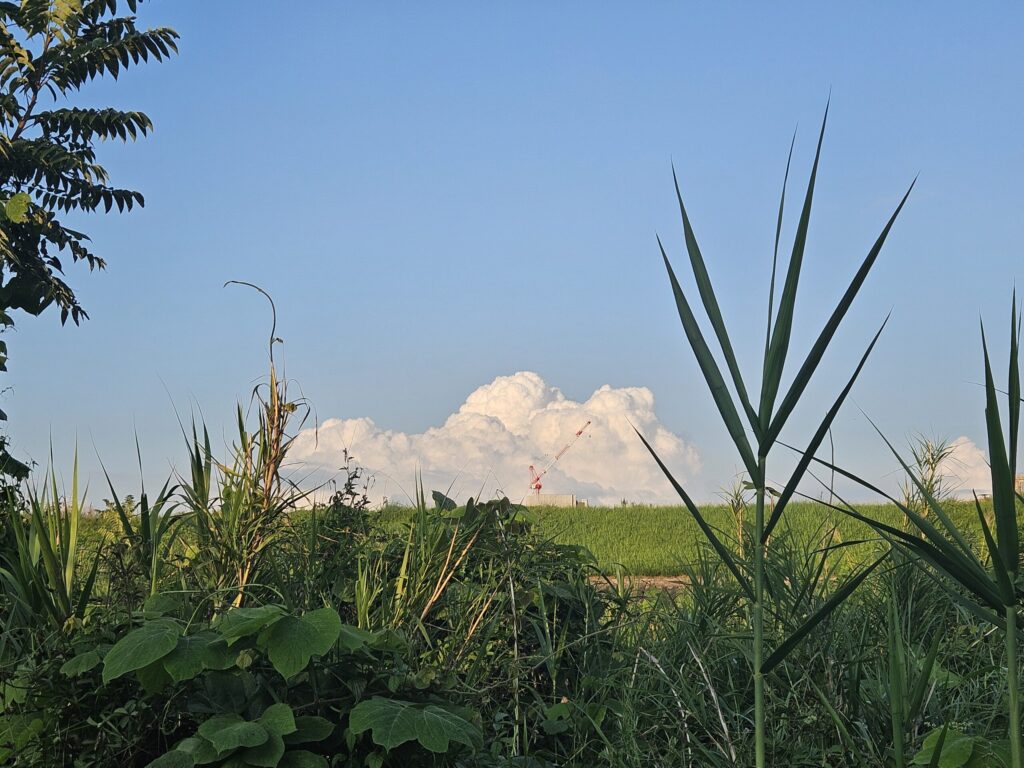
The Yodo River becomes a central gathering point in summer. As the sun sets, locals walk, cycle, and relax along the riverside, enjoying cooler evening breezes after hot, humid days. The golden light over the water creates a surprisingly peaceful escape within the city.
Festivals in Summer
The Tanabata Music Festival in July brings a lively and creative twist to Hirakata’s summer celebrations, blending traditional Tanabata customs with modern performances. Inspired by the star-crossed lovers’ festival, visitors can enjoy decorated bamboo displays covered in colourful wish strips, alongside live music from local artists and performers. The event often features open-air stages, street food stalls, and evening illuminations that create a festive summer atmosphere. Guests can write wishes on tanzaku paper and hang them on bamboo branches, a key Tanabata tradition. With music, lights, and community spirit, the festival captures the vibrant energy of midsummer in Japan.
Autumn in Hirakata: Colourful Leaves
Autumn is one of the most beautiful times to visit Hirakata. From mid-November, the city shifts into warm shades of red, orange, and gold, creating a peaceful seasonal atmosphere.
Nature in Autumn
The banks of the Yodo River are especially scenic during autumn, with reflected foliage and crisp walking paths. Parks and neighbourhood streets are filled with falling leaves, making it ideal for slow walks, cycling, and photography.
Festivals in Autumn
The Hirakata Chrysanthemum Festival, known as Hirakata Kiku Matsuri, is a beautiful autumn event celebrating one of Japan’s most symbolic flowers. It is held from late October to mid November in local parks and shrine grounds. The festival showcases carefully cultivated chrysanthemums in a wide range of shapes, colours, and artistic arrangements. Visitors can admire intricate floral displays, including traditional bonsai-style presentations and elaborate decorative structures. The festival offers a peaceful way to experience Japan’s floral artistry in autumn.
The Suito Kurawanka Fireworks Festival along the Yodo River is one of the most spectacular summer events in the Hirakata area. Held in September, it lights up the night sky with thousands of fireworks reflected across the river’s wide surface, creating a breathtaking visual display. Locals and visitors gather along the riverbanks with food stalls, picnic mats, and summer festival snacks to enjoy the atmosphere. The event celebrates both tradition and community, blending music, colour, and summer energy. With its open riverside setting, it offers some of the best fireworks viewing in the Kansai region.
Tourist Attractions in Autumn
Hirakata Park is especially beautiful in autumn, with tree-lined paths glowing in shades of red, orange, and gold. The cooler temperatures make it an ideal time to explore outdoor attractions. Nearby, the famous Hoshi no Buranko Suspension Bridge offers spectacular views across a forested valley, surrounded by vibrant autumn foliage. The surrounding hiking trails are particularly popular during this season, allowing visitors to enjoy the crisp air, peaceful woodland, and panoramic views. With its combination of nature, scenery, and comfortable walking conditions, Hoshi no Buranko is a favourite autumn destination for both locals and visitors.
Winter in Hirakata: Illumination and Local Traditions
Winter in Hirakata is quiet, crisp, and atmospheric. While snow is rare, the season brings clear skies, peaceful riversides, and festive light displays.
Nature in Winter
Towards the end of winter, usually from February into early March, plum blossoms begin to bloom before the cherry blossoms arrive. Their white, pink, and red flowers provide the first signs of spring and can be found in local parks and temple grounds around the region. These blossoms are less famous than sakura but are often appreciated by locals for their delicate beauty and fragrant scent.
Festivals in Winter
Winter in Hirakata begins with New Year celebrations, known as Hatsumode, when locals visit nearby shrines to pray for good fortune, health, and happiness in the coming year. The atmosphere is lively yet peaceful, with long-standing traditions bringing communities together. Food stalls line shrine paths, serving warming seasonal dishes such as oden, roasted chestnuts, and sweet treats. Despite the cold air, the glow of lanterns and steam from street food create a cosy, welcoming winter scene.
Tourist Attractions in Winter
Hirakata Park transforms into a winter illumination destination, with evening light displays creating a festive, romantic atmosphere. Twinkling pathways, glowing rides, and seasonal decorations make it especially popular in winter. A highlight is its annual illumination event, featuring themed light installations and extended nighttime access. Its location also makes it easy to combine a quiet stay in Hirakata with day trips to Kyoto or Osaka’s winter illuminations before returning to a peaceful riverside base.
Why Visit Hirakata Year-Round?
Hirakata is not a city of loud attractions or overwhelming crowds—it is a city of seasons. Whether it’s cherry blossoms in spring, festival nights in summer, colourful leaves in autumn, or illuminated winter evenings, Hirakata offers a grounded and authentic Kansai experience.
With excellent transport links to both Osaka, Nara and Kyoto, it also serves as an ideal base for travellers who want access to major destinations while staying somewhere calmer and more local.
Day Trips from Hirakata throughout the Year
One of Hirakata’s greatest strengths is its location. Situated between Osaka and Kyoto with excellent transport links, it provides a peaceful base for exploring Japan’s most famous destinations while offering a quieter, more local atmosphere. Its central position makes it an ideal place to stay throughout the year, with each season bringing new opportunities for day trips.
A highlight of staying in Hirakata is the easy access to Nara. Known for its free-roaming deer, historic temples, and UNESCO World Heritage sites, Nara offers a different experience in every season. Spring brings cherry blossoms across Nara Park, while autumn transforms the ancient temples with vibrant red and gold foliage. Summer is particularly special thanks to the Nara Tokae Festival, where thousands of candles illuminate parks and temple grounds, creating a magical evening atmosphere.
For a longer adventure, Mount Fuji showcases Japan’s changing seasons beautifully. Summer is the best time for climbing, as the official hiking season allows visitors to trek to the summit and watch sunrise above the clouds. Winter offers a completely different experience, with cold, clear air creating some of the best conditions for viewing the snow-covered peak from lakes and scenic viewpoints.
This seasonal variety makes Hirakata an excellent choice for travellers wanting both convenience and authenticity. Visitors can enjoy riverside walks, local festivals, and attractions in the city before setting out to explore iconic destinations. Whether experiencing Nara’s lantern festival in summer or admiring Mount Fuji’s winter silhouette, Hirakata provides a comfortable gateway to Japan’s most memorable seasonal experiences.
FAQs about Hirakata through the seasons
Hirakata is a year-round destination, and the best time to visit depends on what you want to experience. Spring is ideal for cherry blossoms, summer is perfect for festivals, autumn offers beautiful foliage and comfortable hiking weather, and winter provides peaceful scenery, clear views, and seasonal illuminations.
Yes. Hirakata’s location between Osaka and Kyoto makes it a convenient base for exploring. It is possible to take day trips to destinations such as Nara, where visitors can enjoy temples, deer, and seasonal events like the summer lantern festival, or travel further to Mount Fuji.
Generally, yes. Hirakata offers a slower, more local experience compared with major tourist centres. Visitors can still access famous attractions easily while returning to a quieter city with riverside walks, neighbourhood restaurants, and a more relaxed atmosphere.
Summer in Hirakata comes alive with traditional matsuri festivals, where visitors can enjoy lantern-lit streets, taiko performances, yukata, and local food stalls. Neighbourhood celebrations offer favourites like takoyaki, kakigōri, and grilled treats, while nearby Osaka fireworks displays provide a spectacular summer evening experience.
Hirakata is ideal for travellers who enjoy nature, seasonal scenery, local festivals, and a slower pace. It works especially well for families, couples, photographers, and visitors who want to experience Japan beyond the busiest tourist routes while still being close to Osaka and Kyoto.