Hirakata is a Great Home Base for a day of hiking
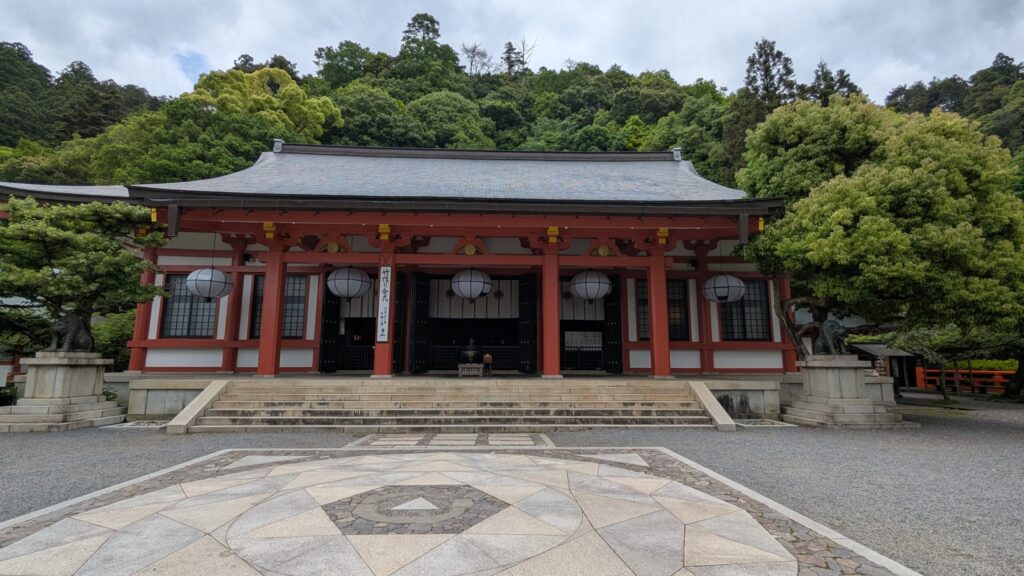
If you are a nature lover, Hirakata is an excellent place to live because it offers easy access to some of the best hiking spots in the Kansai region. Located conveniently between Osaka and Kyoto, Hirakata makes it simple to plan day trips into the mountains and forests of Osaka, Kyoto, and even Nara prefectures. Whether you are looking for a peaceful forest walk, a shrine-filled mountain trail, or a scenic riverside adventure, there are plenty of options just a short train ride away. So grab your hiking shoes, pack some water, and let’s go explore!
Hiking Mount Kurama to Kibune
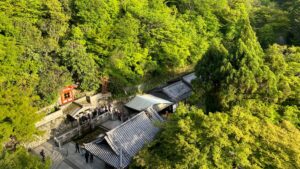
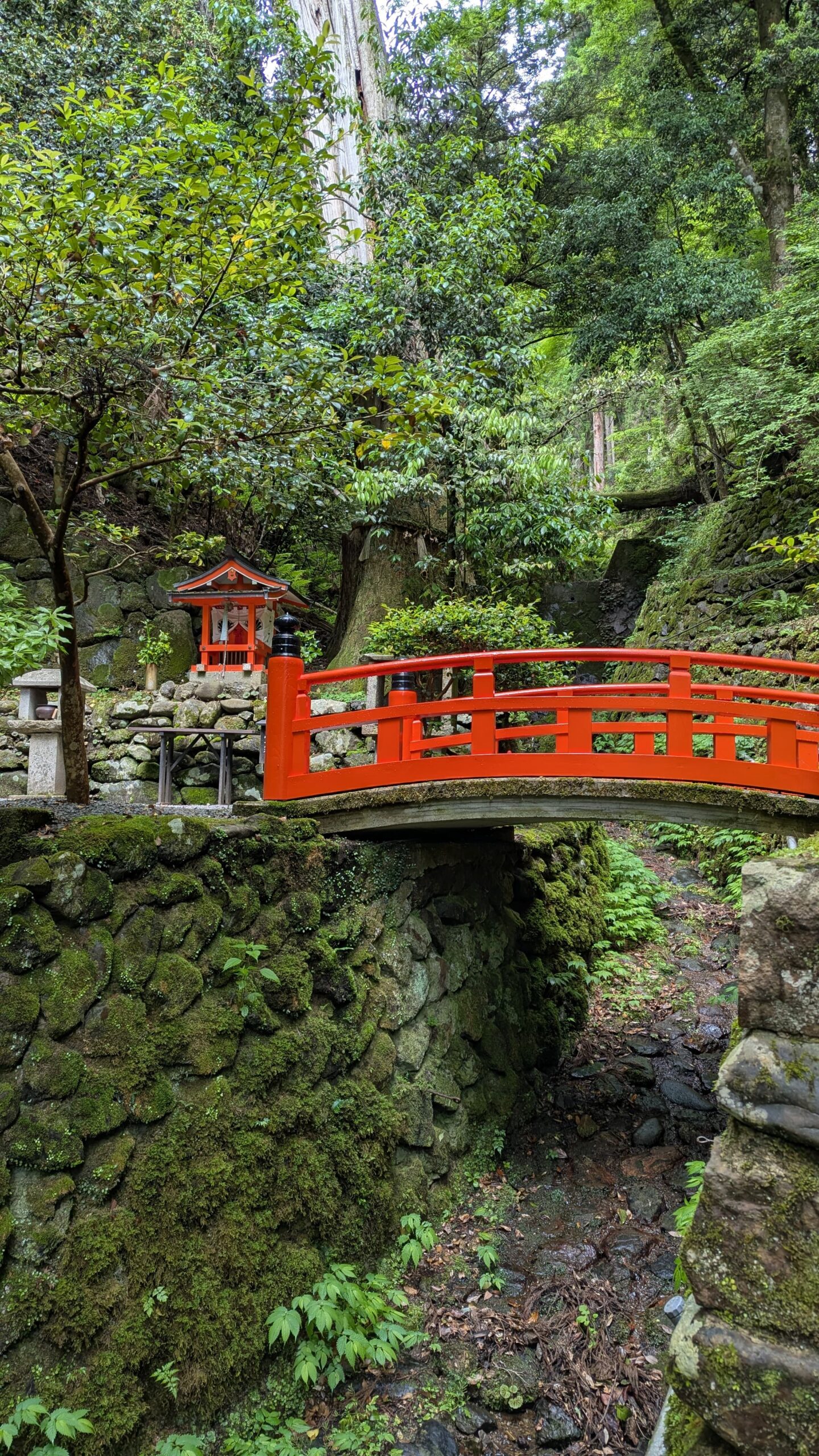
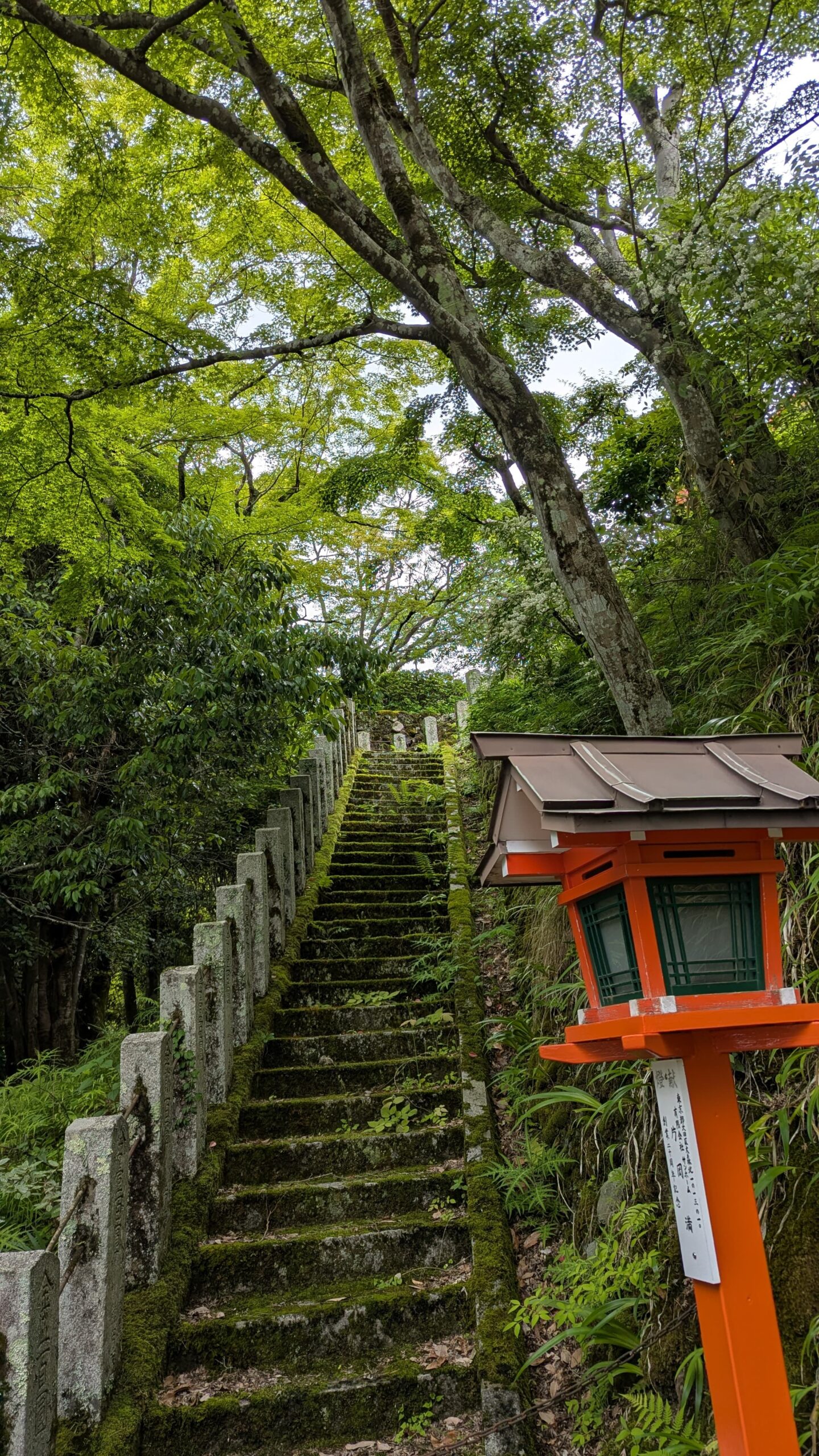
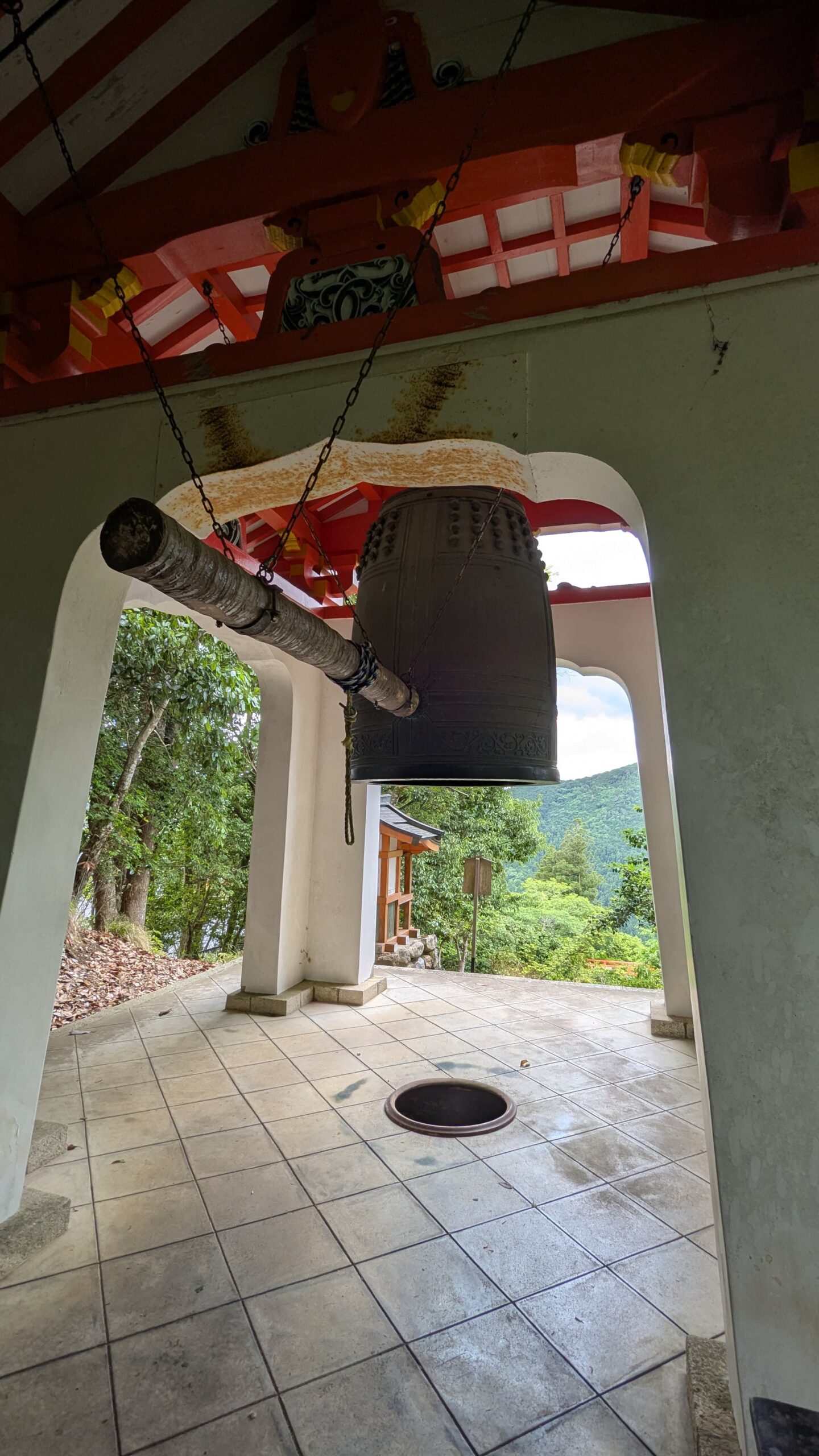
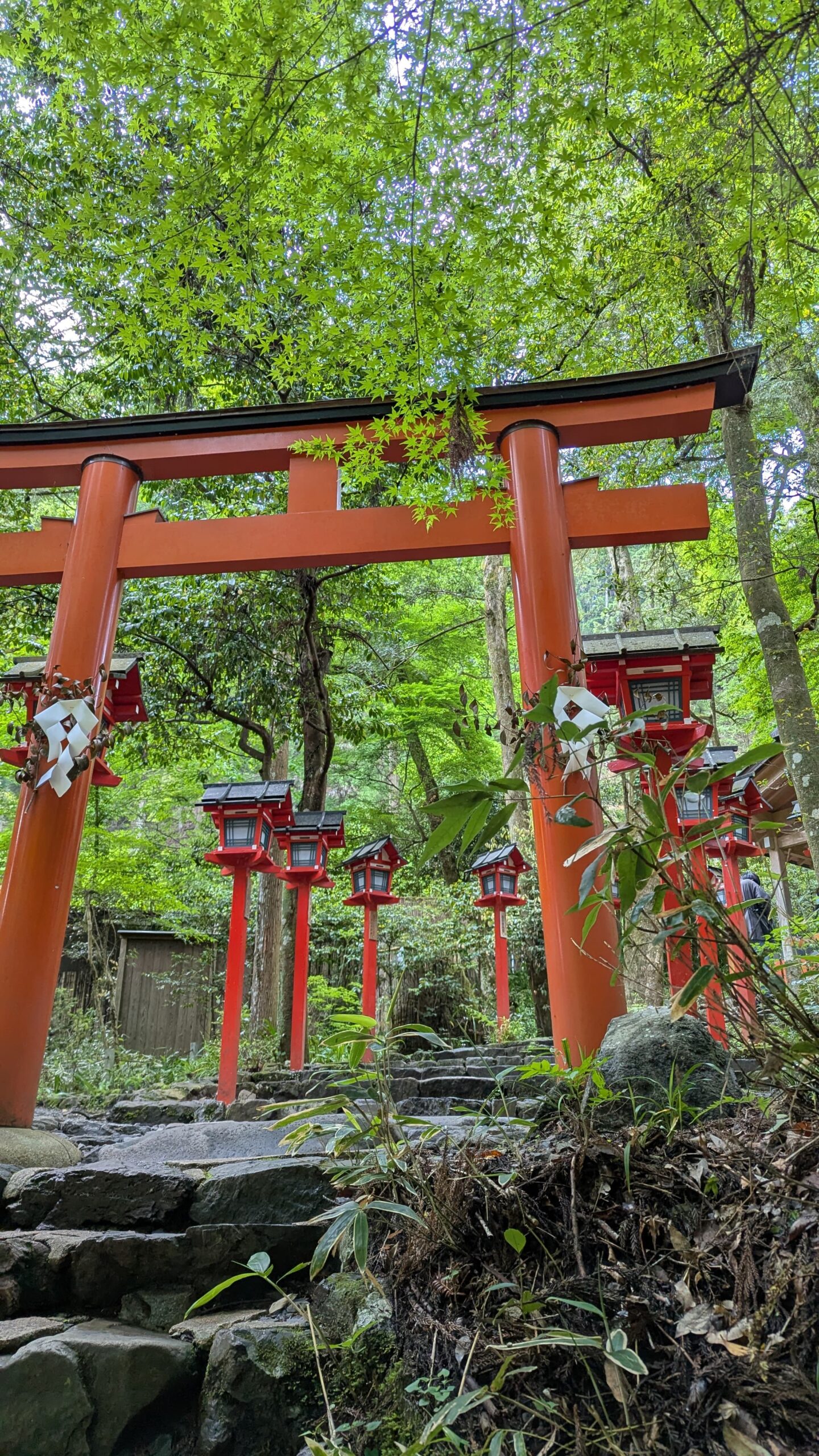
One of the most popular and beautiful day hikes from Hirakata is the trail from Mount Kurama to Kibune, located north of Kyoto. This route takes you through a lush green forest, past several historic temples and shrines, before descending into the charming riverside village of Kibune. It is a perfect mix of nature, culture, and traditional Kyoto atmosphere.
Getting There
To begin your trip, start at Hirakatashi Station and take a Limited Express train on the Keihan Main Line to Demachiyanagi Station in Kyoto. From there, transfer to the Eizan Railway and ride the Eizan Main Line to Kurama Station. The total journey takes about 1 hour and 15 minutes and costs approximately ¥920 one way, making it a very convenient and affordable day trip.
Hike Information
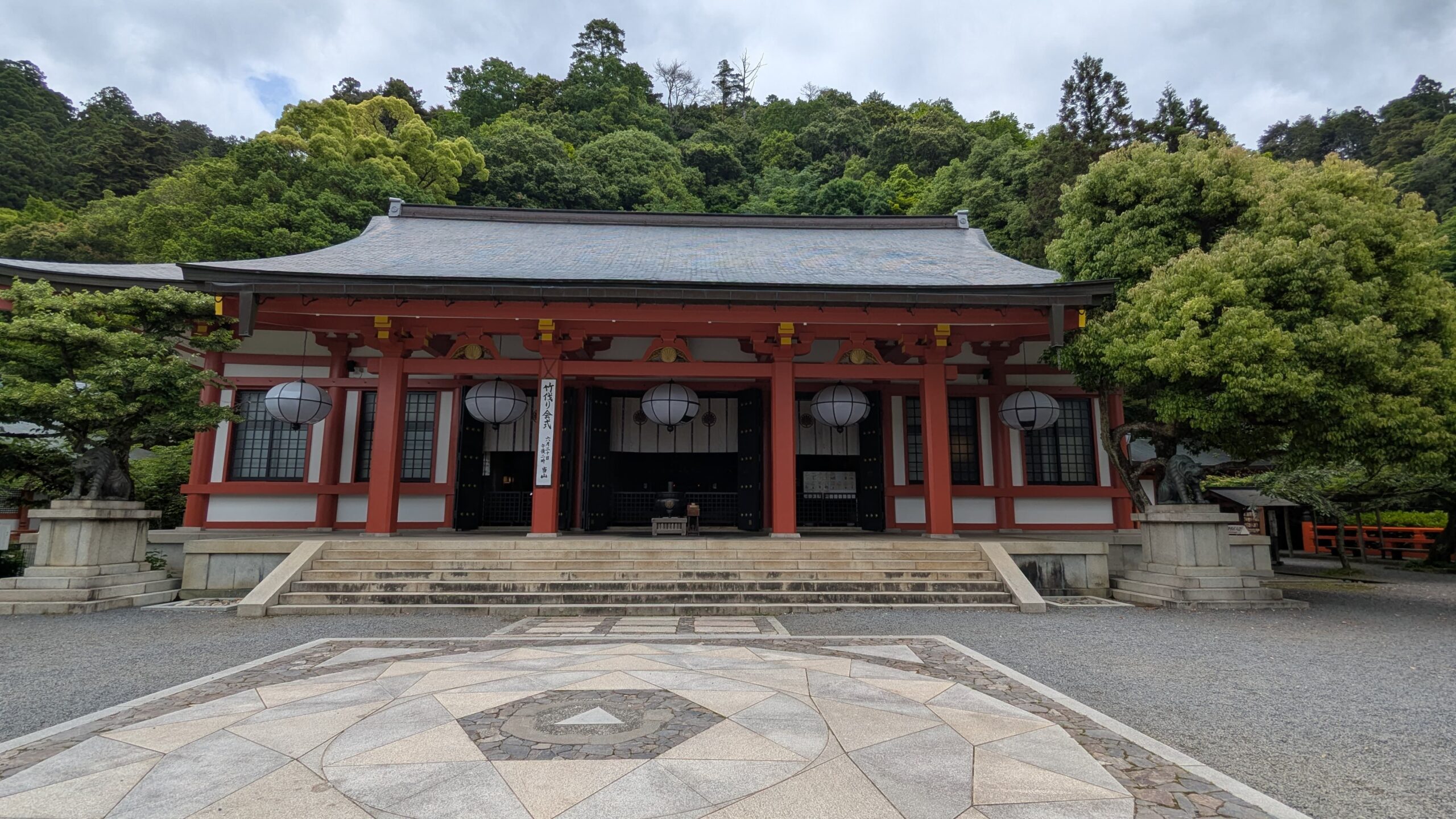
Once you arrive at Kurama Station, follow the signs leading to Kurama-dera Temple, which marks the start of the hike. Even if you are mainly visiting for the hiking trail, you will still need to pay the temple admission fee of ¥500.
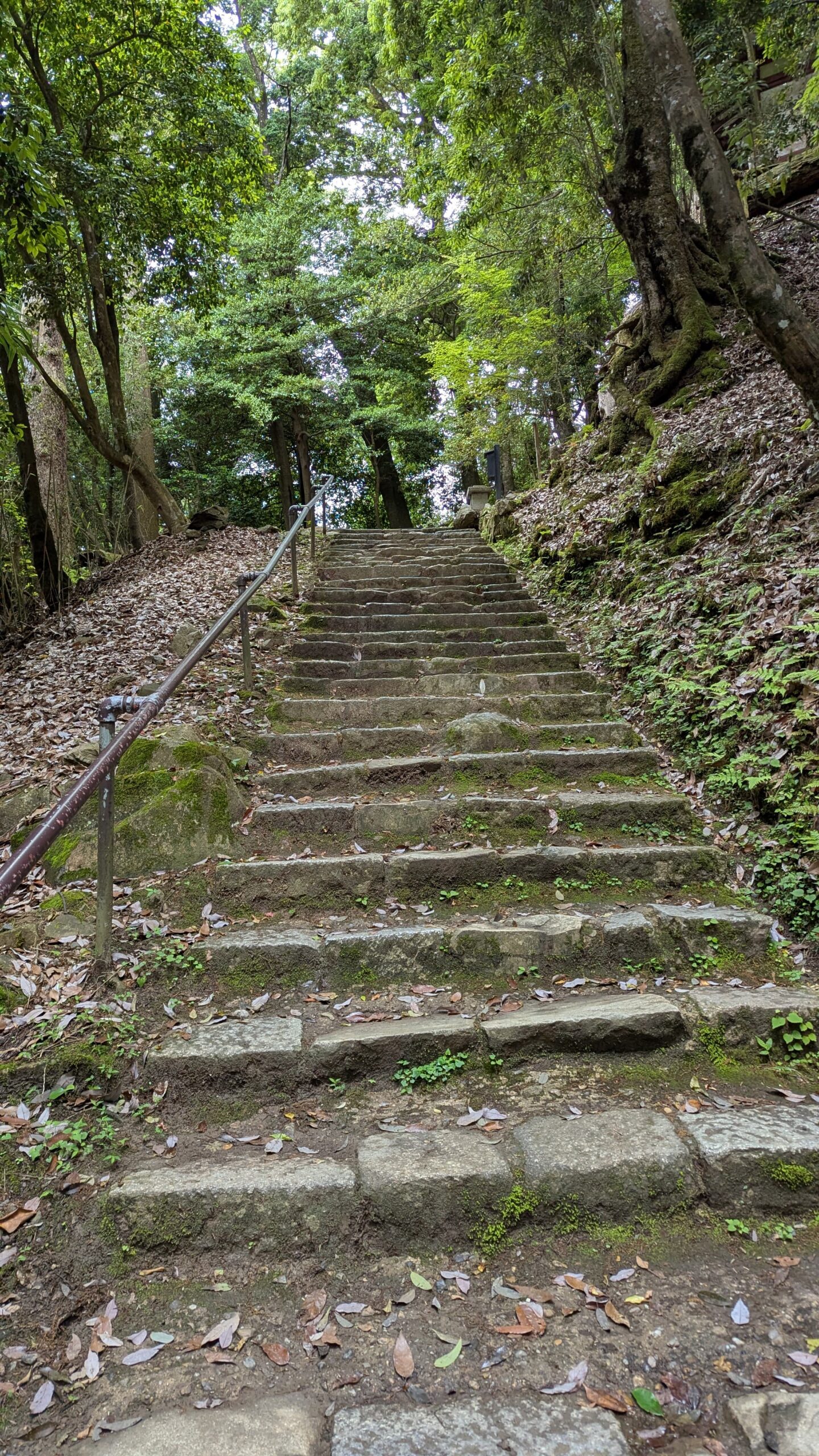
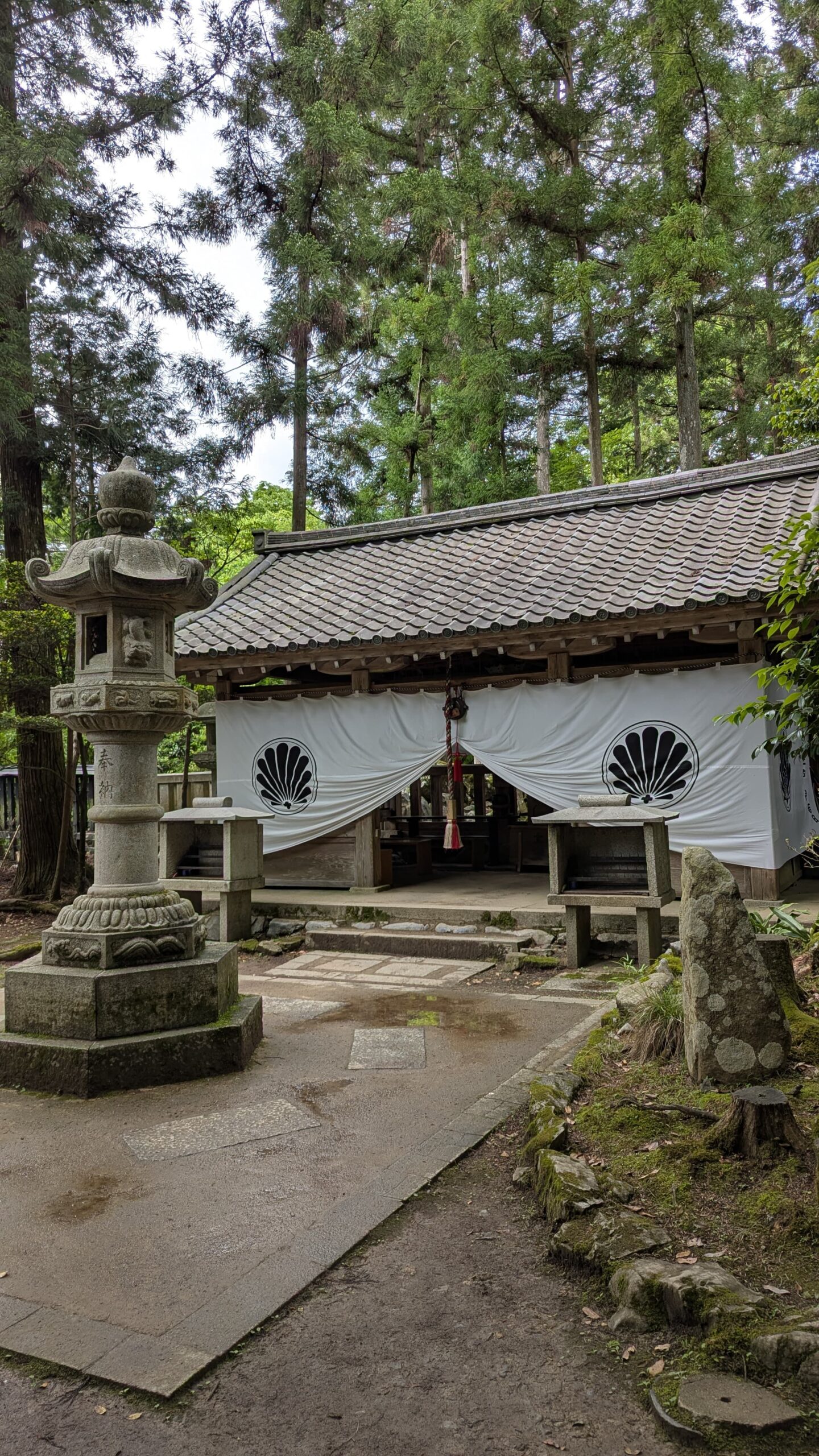
This is considered a moderate hike, with some uphill climbing followed by a downhill descent on uneven forest paths. However, the trail is well-maintained and clearly marked, so it is suitable for most hikers with basic fitness. Along the way, you will pass several beautiful temples and shrines, including Kurama-dera Temple and the famous Kifune Shrine near the end of the trail.
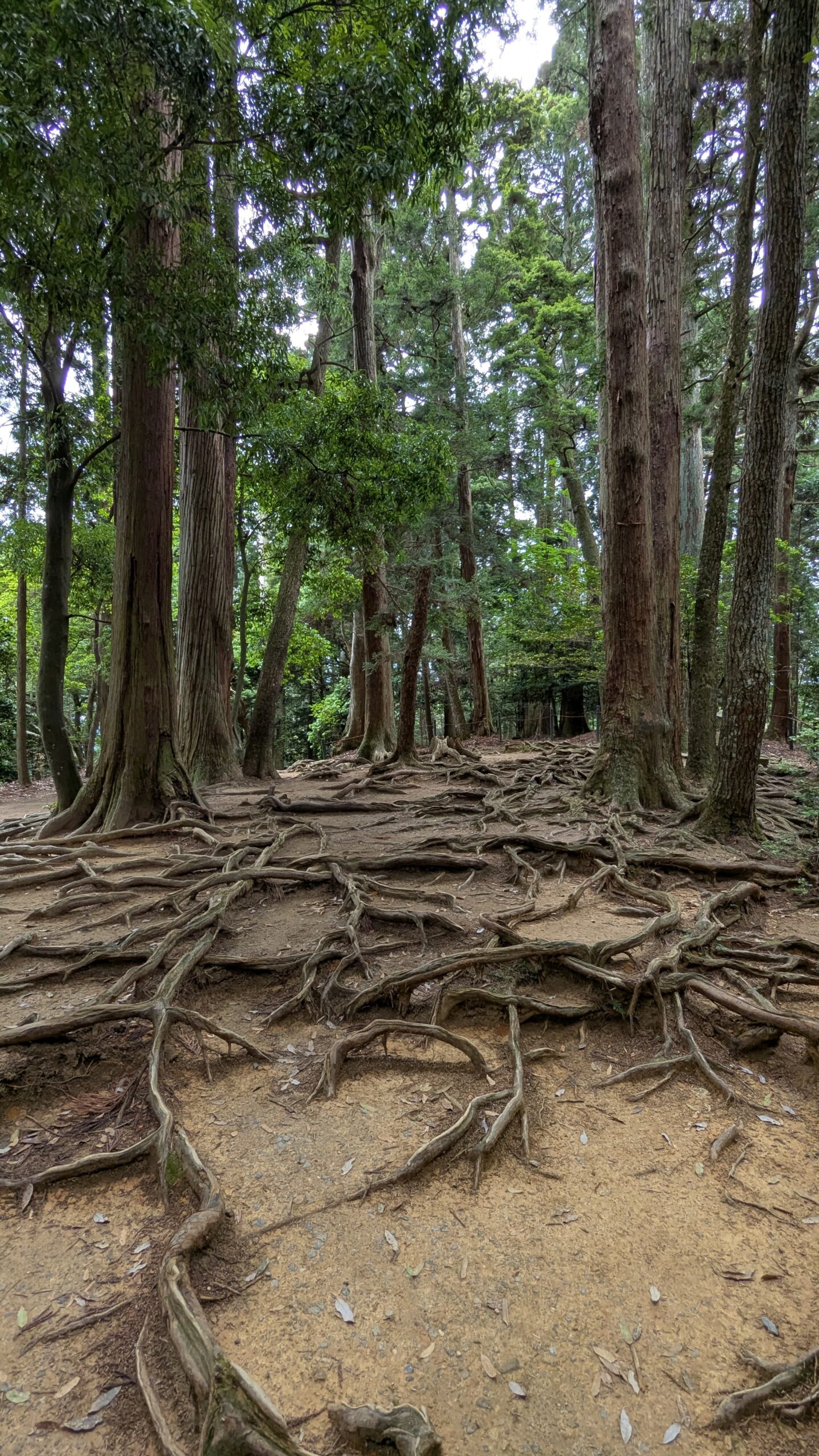
One of the highlights is the Kinone-michi, or “tree root path,” where giant cedar tree roots spread dramatically across the trail in twisting patterns. The forest feels quiet, cool, and almost mystical—especially after a recent rain, when the moss and trees seem even greener.
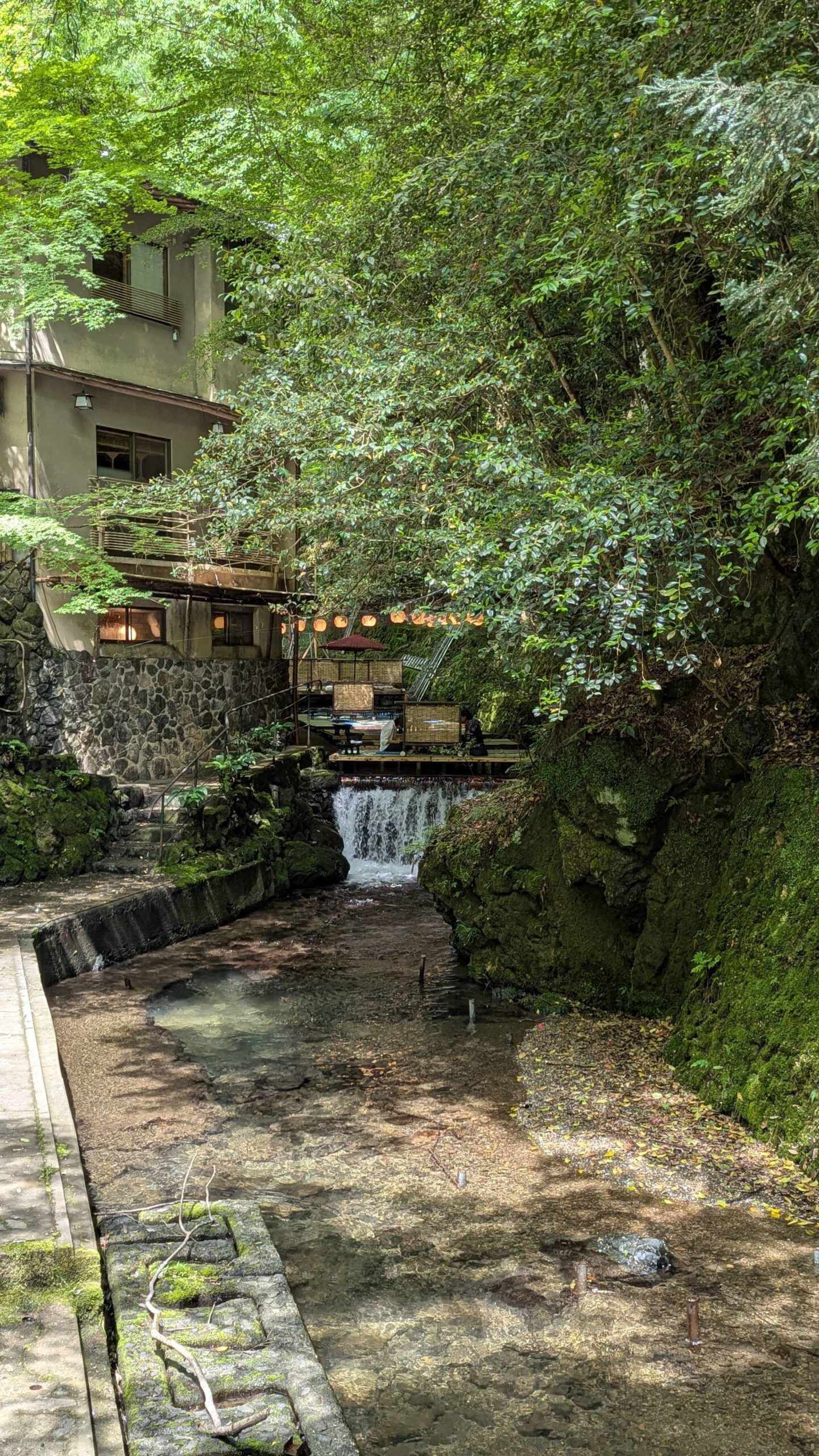
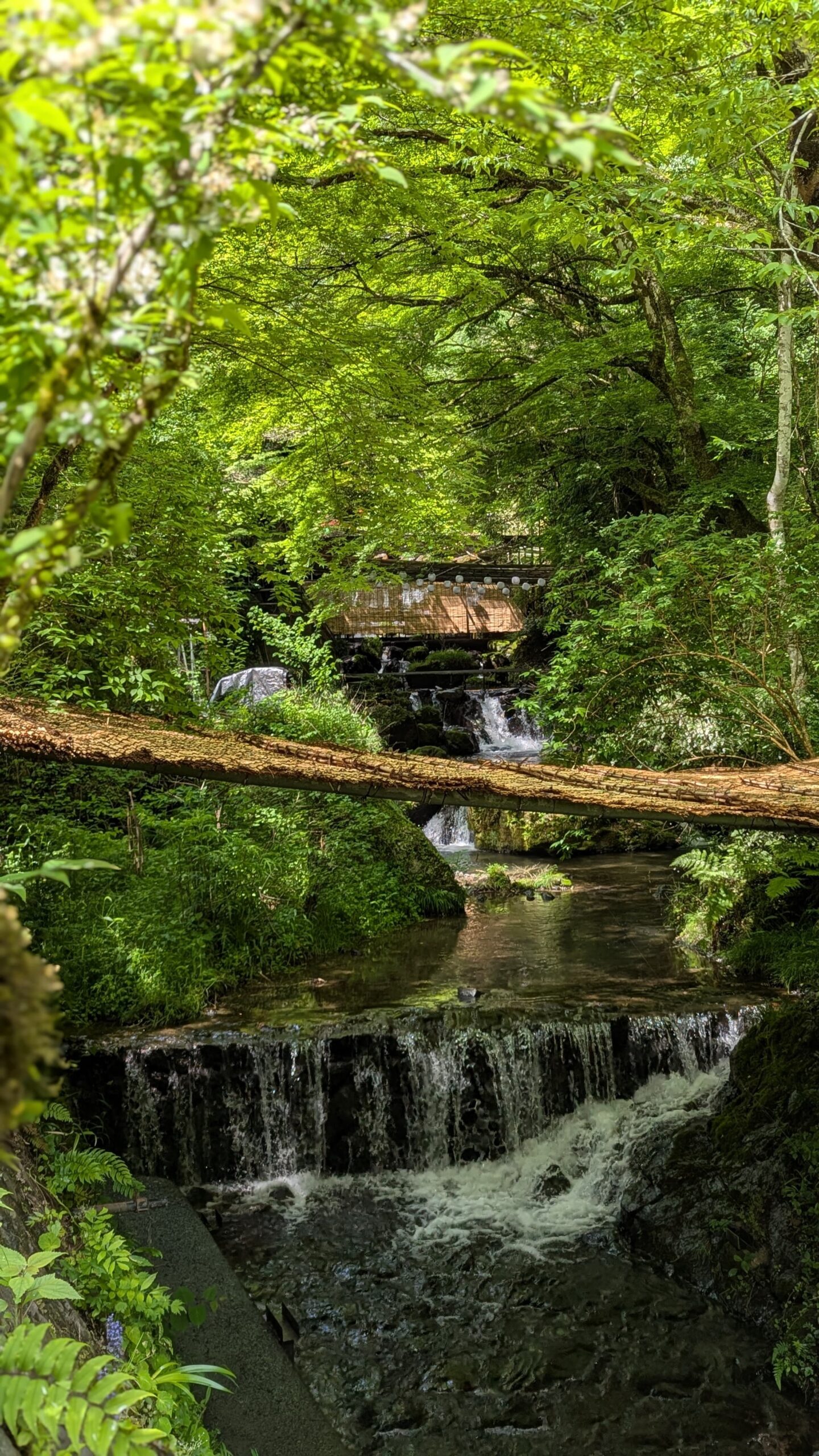
Once you arrive in Kibune, there are many restaurants where you can relax and enjoy lunch. Some places even offer dining platforms built over the river, creating a truly unique and peaceful experience. To return to Hirakata, walk about 2 kilometres to Kibuneguchi Station, take the Eizan Line back to Demachiyanagi, and then transfer to the Keihan Main Line.
Hiking to Hoshida Park and Hoshi no Buranko
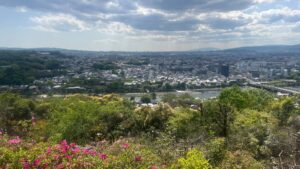
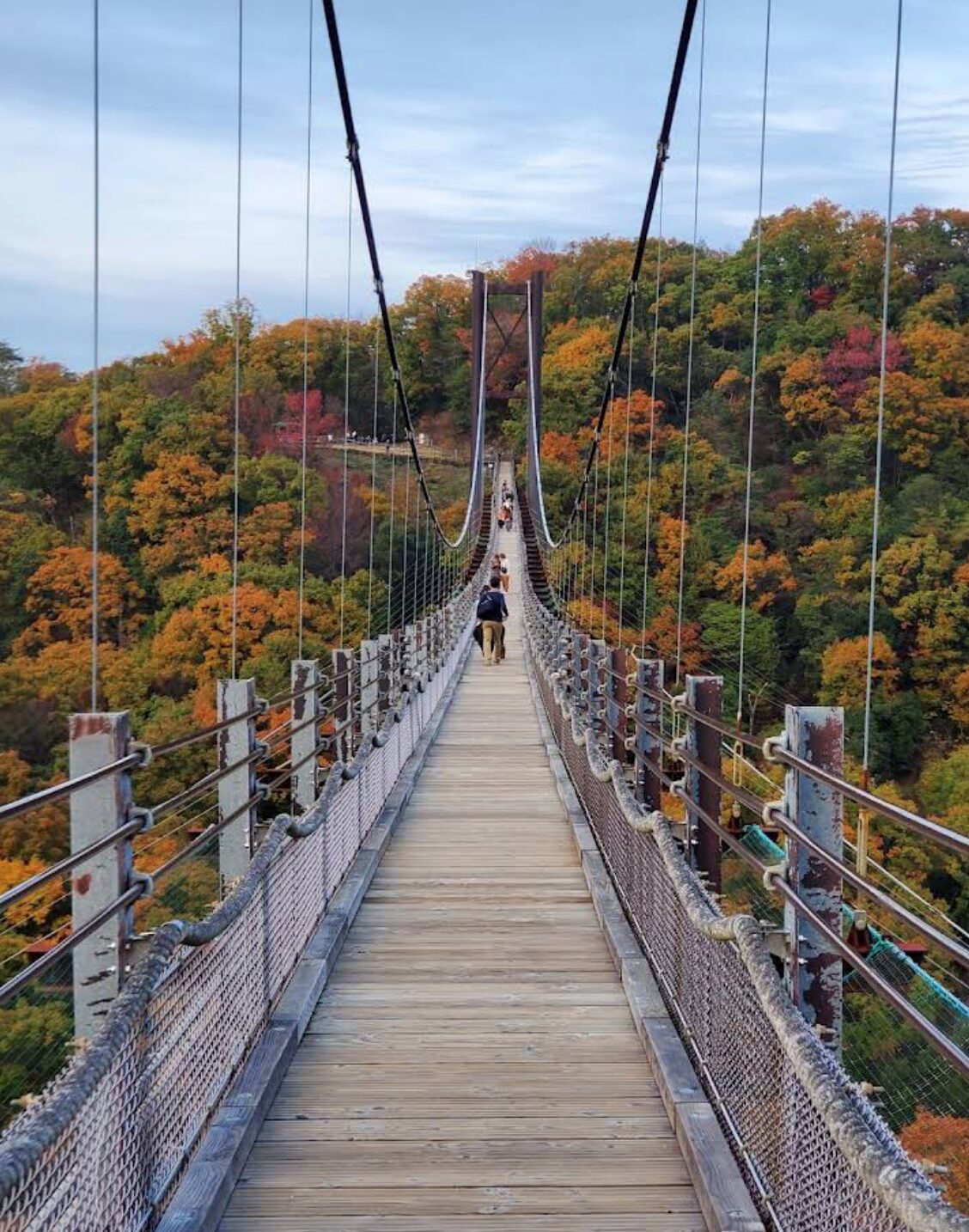
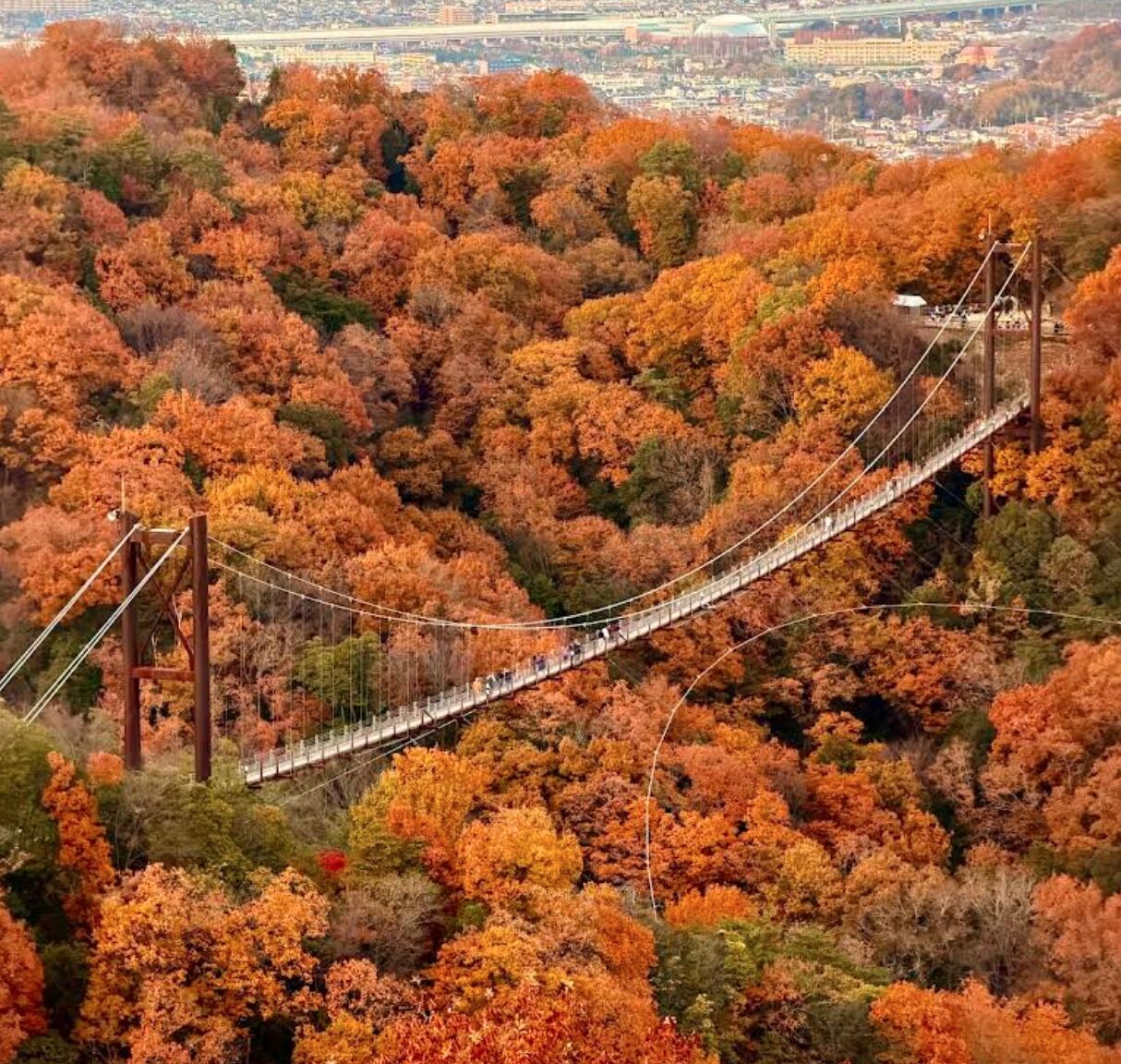
Boasting the longest pedestrian bridge in Japan, this is a lovely day hike, with easy access from OEH. If you are looking for an easy and refreshing nature escape close to Hirakata, a day hike to Hoshida Park and the famous Hoshi no Buranko suspension bridge is a perfect choice.
Located in nearby Katano City , this hiking area offers beautiful forest trails, scenic viewpoints, and one of the largest wooden suspension bridges in Japan. It is a great trip for families, beginners, or anyone who wants to enjoy nature without travelling too far from home.
Getting There
Head to Hirakatashi Station and take the Katano Line until you reach Kisaichi Station. There are departures about every 10 minutes. This journey will take about 15 minutes and cost approximately ¥220, making this a great budget option.
Hike Information
Once you arrive at Hoshida Park, you will find several clearly marked walking trails leading through the forest. The most popular route takes you uphill toward Hoshi no Buranko, the park’s famous suspension bridge. The name “Hoshi no Buranko” means “Star Swing,” and the bridge stretches 280 meters across the valley, hanging about 50 meters above the ground. Walking across it gives you amazing views of the surrounding forest and hills, especially during the spring and autumn seasons.
The hike itself is considered easy to moderate. There are some gentle uphill sections and stairs, but the paths are well-maintained and suitable for casual hikers. Along the way, you can stop at observation decks and rest areas to enjoy the scenery. During autumn, the colourful leaves make this area especially popular for tourists.
There is also a climbing wall and outdoor activity area nearby for visitors who want something more adventurous. For those who prefer a slower pace, simply walking through the cedar forest and crossing the bridge is enjoyable enough.
After your hike, you can relax at one of the small cafes or local restaurants near the station area before heading back to Hirakata. Since the park is so close, this is one of the easiest and most enjoyable half-day or full-day hiking trips you can make from Hirakata.
Koyasan
Koyasan is a beautiful mountain with many shrines and lovely forest paths to explore. There are several routes offered, each with varying lengths and difficulty levels.
If you are looking for a more spiritual and scenic hiking experience from Hirakata, a day trip to Koyasan is a great choice. Also known as Mount Koya, Koyasan is one of Japan’s most sacred Buddhist sites, surrounded by peaceful cedar forests, ancient temples, and quiet mountain paths.
It is the center of Shingon Buddhism and offers visitors a unique combination of history, nature, and culture. For those who enjoy both hiking and exploring traditional Japan, Koyasan is a perfect destination.
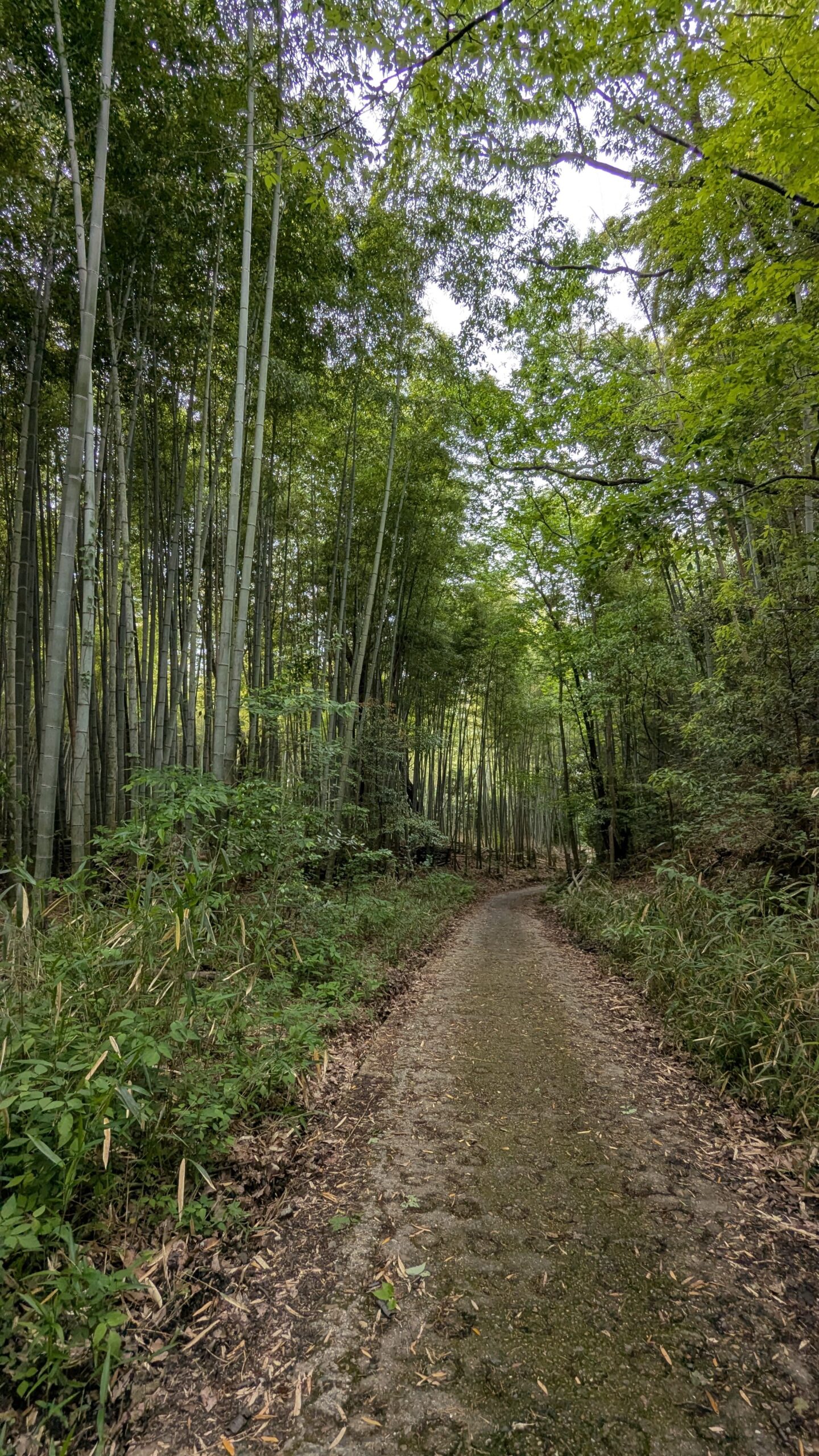
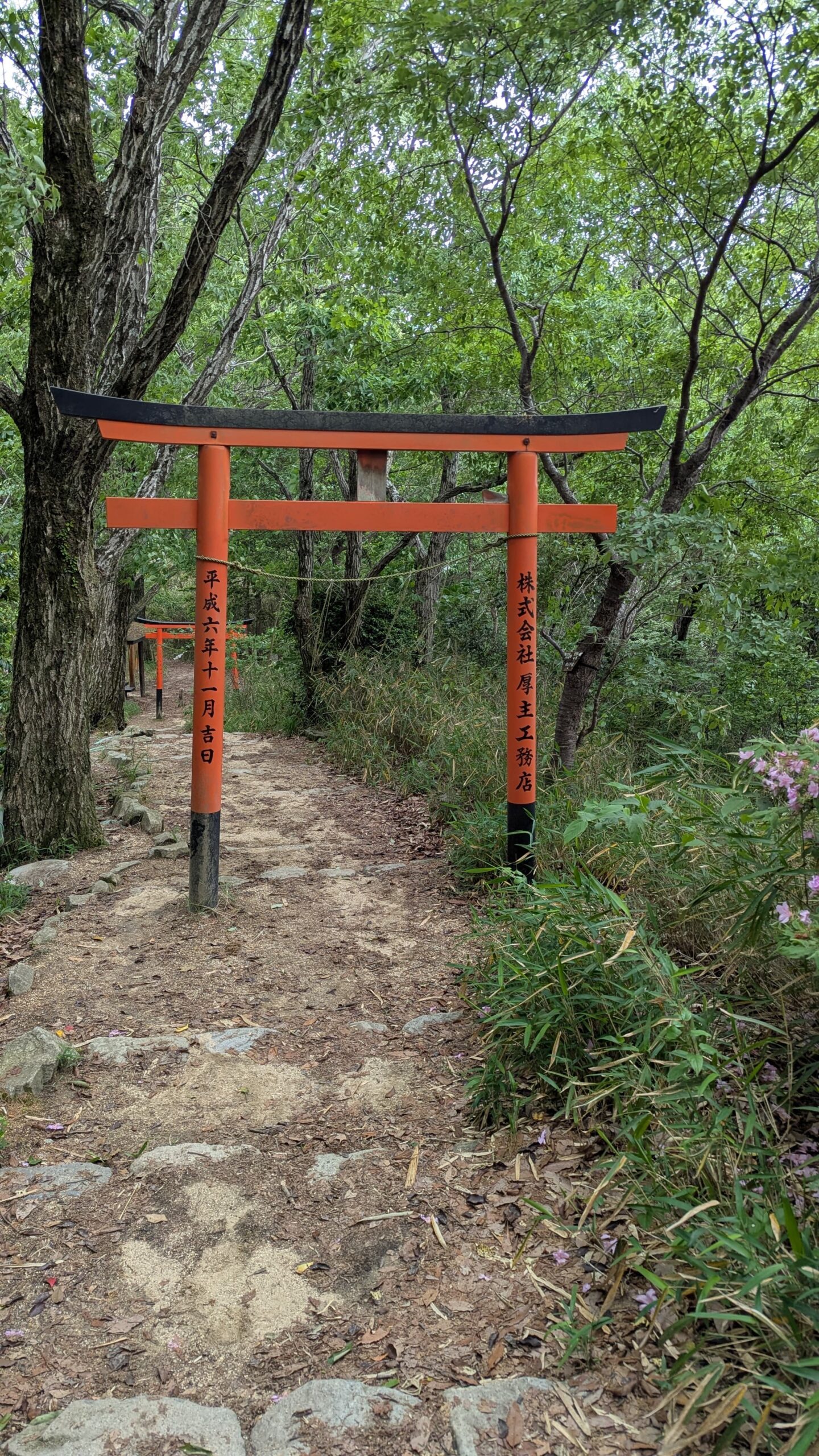
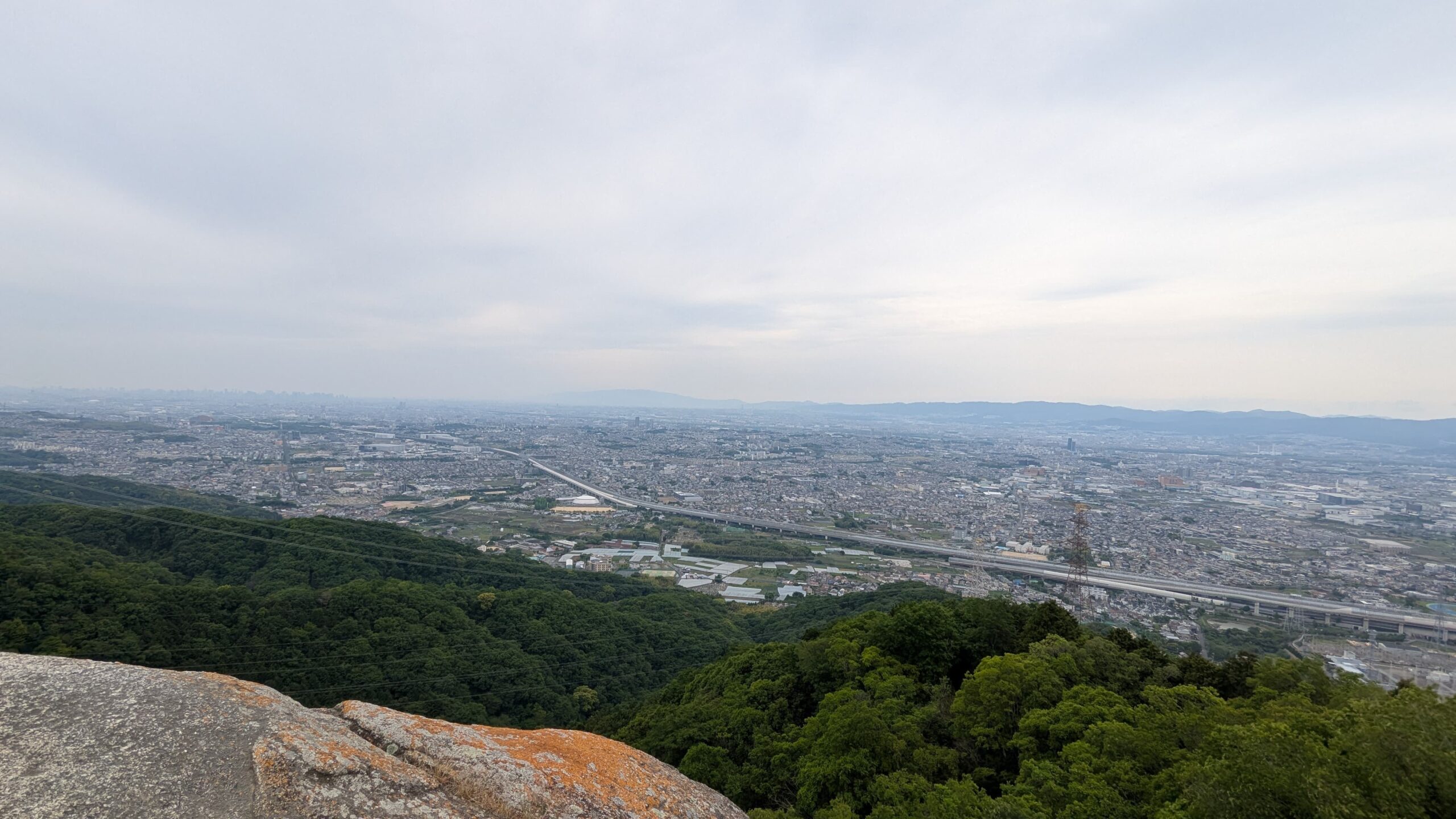
Getting There
Start at Hirakatashi Station and take the Keihan Main Line toward Yodoyabashi, then transfer to the Osaka Metro or JR line to reach Namba Station. From Namba, take the Nankai Koya Line to Gokurakubashi Station, the final stop for trains to Koyasan. Most express trains take about 1 hour and 40 minutes, while limited express trains are slightly faster.
From Gokurakubashi, transfer to the Koyasan Cable Car, which takes only 5 minutes to reach Koyasan Station. From there, a short local bus ride brings you into the temple area. The total journey takes around 2.5 to 3 hours, depending on connections. Travelers reach Koyasan by taking the Nankai Koya Line to Gokurakubashi Station and then transferring to the cable car.
Hike Information
Once you arrive in Koyasan, there are several walking routes to explore. One of the most popular is the walk through Okunoin Cemetery, Japan’s largest cemetery and one of the most peaceful places in the country. Tall cedar trees line the stone pathways, and thousands of moss-covered gravestones create a quiet and mysterious atmosphere.
Another great walking route is around Danjo Garan, the historic temple complex with beautiful pagodas and halls surrounded by forest. You can also visit Kongobu-ji, the head temple of Shingon Buddhism.
The hiking itself is easy to moderate, depending on how much of the mountain area you choose to explore. Most paths are well-maintained, and the peaceful forest setting makes the walk enjoyable in every season. Autumn is especially beautiful when the leaves change color.
After your hike, you can enjoy traditional Buddhist vegetarian cuisine called shojin ryori at one of the local restaurants or temple lodgings. Although Koyasan is farther than many day trips from Hirakata, the spiritual atmosphere and mountain scenery make it one of the most rewarding hiking destinations in Kansai.
FAQs about Day Hikes from Hirakata
Most of these hikes are considered easy to moderate. Hoshida Park is the easiest and best for beginners or families. Mount Kurama to Kibune has more stairs and uneven forest paths, so it requires moderate fitness. Koyasan involves more walking than steep climbing.
The Mount Kurama to Kibune trail usually takes around 2 to 3 hours, depending on your pace and temple visits. Hoshida Park and Hoshi no Buranko can be enjoyed in 2 to 4 hours. Koyasan is a full-day trip, with hiking and sightseeing taking 4 to 6 hours or more.
Kurama-dera Temple requires an admission fee of around ¥500, even if you are mainly there for the hike. Hoshida Park is free to enter. Koyasan itself has no entrance fee, but some temples and attractions may charge small admission fees.
Yes, all three locations can be visited throughout the year. However, spring and autumn are the most popular seasons because of cherry blossoms and autumn leaves. Summer can be very hot and humid.
Yes, these trails are generally well marked with signs in both Japanese and some English. Hoshida Park is especially easy to follow, while Mount Kurama and Koyasan have clear paths but may feel more forested and remote.