
written by Natasha Kaniel-Shears
Shodo refers to the traditional art of Japanese calligraphy. It has been practiced for well over a thousand years, and it remains an essential aspect of Japanese culture and history. Let’s take a closer look at this beautiful art form, exploring its origins, techniques, and lesson recommendations in the Kansai region.
The History of Shodo
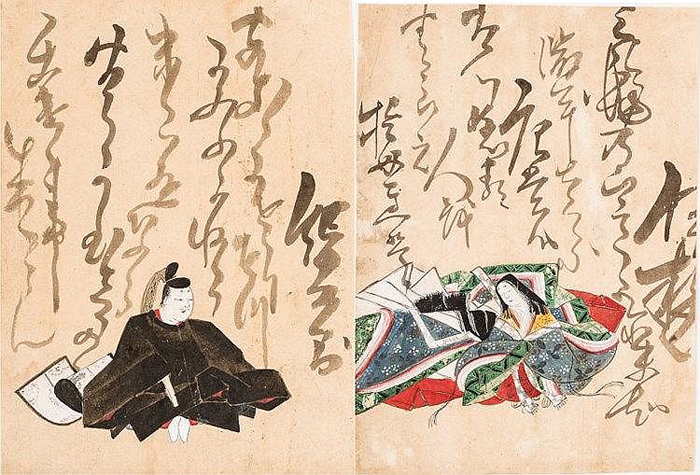
Calligraphy was first introduced to Japan around the 6th century by China, and it has grown in popularity ever since. With the advent of Buddhism, shodo became even more significant as a form of meditation known as shakyo, where Buddhist sutras were copied using Chinese characters.
Eventually, the practice evolved and became more distinctly Japanese due to the use of rounded and cursive characters which are today known as hiragana.
Calligraphy has since undergone further changes in its stylisation and expression, but one thing has remained the same: shodo is a vital cultural practice that symbolises Japanese history and spirituality.
To learn more about the origins of Japanese calligraphy, check out this post.
Key Terminology and Equipment
There are quite a few important terms and phrases to be aware of when exploring the practice of Japanese calligraphy.
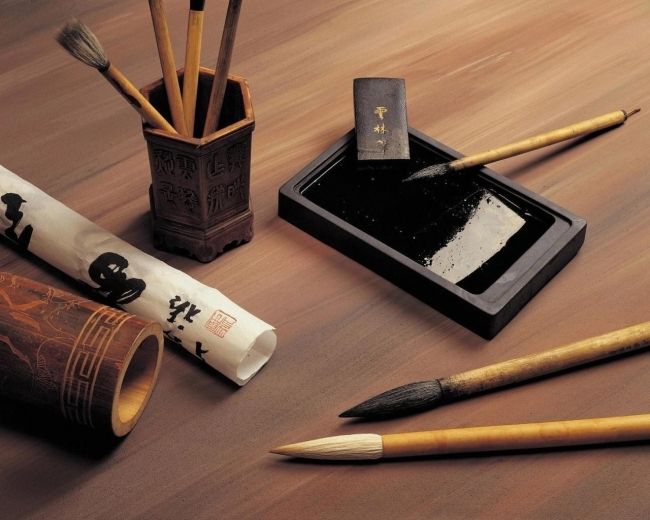
Bunbo Shiho – the Four Treasures
Bunbo Shiho refers to the essential tools for practicing Shodo.
Fude is a brush typically made from bamboo and animal hair to create sweeping, expressive movements.
Sumi is an ink stick that is activated with water to produce the iconic black liquid, and it is ground in an ink stone called suzuri.
Hanshi refers to thin, durable paper that is designed for practicing calligraphy.
With these Four Treasures, you will be ready to take on the world of Japanese calligraphy.
Calligraphy Styles
In shodo, there are three main styles of writing. Kaisho is the ‘square’ or ‘standard’ style and it is the easiest form to read and practice. Gyosho means ‘travel writing’ and it features more fluid strokes, but it is harder to read. Finally, there is sosho which means ‘grass writing’ and focuses on rapid and artful movements to create an abstract effect.
Meditative Concepts
Shodo is not only about writing – it is also a mental state. Mushin refers to emptying your mind of any distracting emotions or thoughts, allowing for greater freedom of movement and expression. It is also important to practice good posture during calligraphy – some may sit in the seiza position which involves kneeling to maintain posture and focus. Calligraphy is as much a process of reflection as it is of art.
The Fundamentals of Shodo
Now that we’ve had a look at the origins and important terminologies, we are ready to begin practicing some calligraphy!
Before beginning, make sure to adjust your posture and calm your mind. Taking some deep breaths can help you to enter a relaxed state which will allow you to focus on the movement of the brush and ink.
Next, prepare your materials. Holding the sumi with three fingers, move the ink stick in circular motions on the suzuri with a little water. You can repeat this as many times as you need to create enough ink.
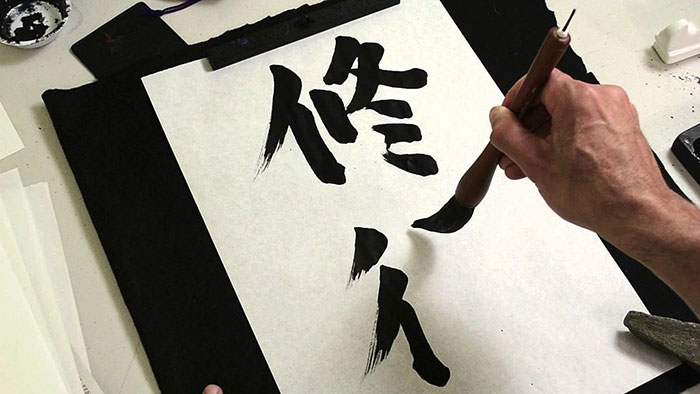
Once the ink is ground, take the brush with your index and middle fingers on one side, and your thumb on the other side. Relax your other fingers and move the brush with your arm rather than with your wrist. This will allow the movements to flow through your whole body, creating more fluid and expressive motions.
You are now ready to write! Shodo typically involves writing kanji characters that are related to essential aspects of Japanese culture, such as nature or virtues. Common characters to begin with include 夢 (yume, meaning “dream”), 心 (kokoro, meaning “heart” or “spirit”), and 和 (wa, meaning “harmony” or “peace”).
For more information about Japanese calligraphy techniques, check out this post.
Japanese Lessons at OEH
Here at OEH, we offer a variety of Japanese lessons throughout the week, including Japanese calligraphy lessons! These lessons will teach you more about the language and methods of shodo in a fun and accessible way. It’s a great opportunity to connect with Japanese culture while staying in Hirakata!
FAQs: Japanese calligraphy classes for beginners
The absolute basics you need to begin writing are the Four Treasures, which are the brush, ink stick, inkstone, and paper.
Adjust your posture so you are sitting comfortably but balanced, and try to calm your mind so you can focus on the movements instead of distracting thoughts.
Calligraphy was first introduced to Japan by China around 6 AD, and it has since become a cornerstone of Japanese culture.
Shodo is not just about writing; it is a spiritual practice that allows you to clear your mind and focus on expressive movements.
There’s no right or wrong answer; you can spend as little or as long as you like practicing! Just focus on enjoying the meditative process of writing calligraphy.